Commercial Refrigeration Solutions for Modern Business Needs
Choosing the right refrigeration system requires careful planning.
Commercial Refrigeration
Commercial refrigeration solutions help businesses store temperature-sensitive products, manage inventory, and maintain suitable storage conditions. Restaurants, supermarkets, hotels, healthcare facilities, and food processing businesses depend on different types of refrigeration equipment.
Businesses comparing commercial refrigeration systems should consider storage capacity, energy consumption, temperature requirements, installation space, and long-term operating expenses. The right equipment depends on the type of products being stored and the daily demands of the business.
Commercial refrigeration equipment includes refrigerators, freezers, display cabinets, cold rooms, and specialized cooling systems. Understanding these options helps business owners compare available products and identify equipment that meets their operational requirements.
What Is Commercial Refrigeration?
Commercial refrigeration refers to cooling equipment designed for business environments. Unlike most household refrigerators, these systems are generally built to handle frequent access, larger storage requirements, and extended operating hours.
Their primary purpose is to maintain controlled temperatures for products that require specific storage conditions. Proper refrigeration can help businesses manage food quality, reduce avoidable spoilage, and organize temperature-sensitive inventory.
Why Businesses Need Commercial Cooling Systems
Different businesses have different refrigeration requirements. A restaurant may need separate storage for ingredients and frozen products, while a supermarket may require refrigerated display cabinets for customer-facing areas.
Commercial cooling systems also support consistent business operations. Selecting equipment based on actual demand helps avoid insufficient storage capacity, unnecessary energy consumption, and operational difficulties.
Importance of Commercial Refrigeration for Modern Businesses
Reliable refrigeration is an important part of many commercial operations. Businesses handling perishable products need suitable temperature control to maintain storage conditions and follow applicable food safety requirements.
Poorly selected or improperly maintained refrigeration equipment can create operational challenges. Temperature fluctuations, equipment breakdowns, and inadequate storage capacity may affect inventory management and business continuity.
Product Storage and Quality
Different products require different storage temperatures. Refrigerated food, frozen ingredients, beverages, dairy products, and certain medical supplies may have specific temperature requirements.
Commercial refrigeration units allow businesses to organize products according to their storage needs. Monitoring temperatures and following relevant storage guidelines are important for maintaining suitable conditions.
Operational Efficiency
A properly planned refrigeration system can improve the organization of business storage areas. Employees can access products more easily, manage inventory efficiently, and reduce unnecessary movement between storage locations.
Equipment capacity should match the business's daily requirements. An oversized system may increase operating expenses, while an undersized unit may create storage limitations during busy periods.
Types of Commercial Refrigeration Equipment
Several refrigeration options are available for different industries. Each system has specific features, storage capacities, and installation requirements.
Commercial Refrigerators
Commercial refrigerators are commonly used in restaurants, cafes, grocery stores, and catering facilities. They are designed to store chilled products and ingredients under controlled conditions.
Common options include upright refrigerators, under-counter units, and reach-in refrigerators. Businesses can compare different sizes based on available floor space and storage requirements.
Commercial Freezers
Commercial freezers are designed for products requiring frozen storage. They are commonly used by restaurants, food retailers, bakeries, and food distribution businesses.
Options include upright freezers, chest freezers, and specialized freezer cabinets. The appropriate model depends on available space, product volume, accessibility, and required storage temperatures.
Walk-In Coolers and Freezers
Walk-in coolers provide larger storage areas that employees can enter directly. They are often used by hotels, supermarkets, restaurants, and food processing facilities.
Walk-in freezer systems provide similar access for products requiring frozen conditions. Businesses considering walk-in cooler installation should evaluate room dimensions, insulation, flooring, door access, and refrigeration capacity.
Commercial Display Refrigerators
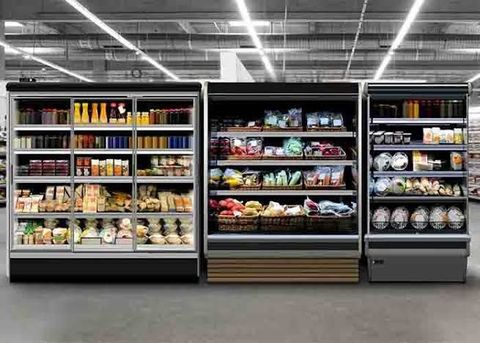
Display refrigerators are commonly installed in supermarkets, convenience stores, bakeries, and cafes. Their transparent doors or open display designs allow customers to view refrigerated products.
Different models are available for beverages, dairy products, desserts, and packaged food. Businesses should consider product visibility, available space, lighting, and temperature requirements when comparing options.
Comparing Commercial Refrigeration Systems
Understanding the differences between equipment types can make purchasing decisions easier. The following table provides a general comparison.
| Equipment type | Common business use | Main consideration |
|---|---|---|
| Upright refrigerator | Restaurants and kitchens | Organized chilled storage |
| Commercial freezer | Food businesses | Frozen product capacity |
| Walk-in cooler | Hotels and supermarkets | Large storage requirements |
| Walk-in freezer | Food distribution | Insulation and temperature control |
| Display refrigerator | Retail stores and cafes | Product visibility |
| Under-counter refrigerator | Small kitchens and cafes | Space efficiency |
The most appropriate option depends on the business's products, available space, operating schedule, and storage requirements.
Factors to Consider Before Buying Commercial Refrigeration Equipment
Purchasing commercial refrigeration equipment involves more than comparing product prices. Businesses should evaluate several technical and practical factors before selecting a system.
Storage Capacity and Available Space
Storage capacity should reflect current inventory and expected business demand. Measuring the installation area helps determine whether an upright unit, under-counter refrigerator, or walk-in system is appropriate.
Businesses should also allow sufficient clearance for ventilation, maintenance access, and door movement.
Energy Consumption
Refrigeration equipment often operates throughout the day, making energy consumption an important purchasing consideration. Businesses can compare energy ratings, manufacturer specifications, insulation quality, and expected operating requirements.
Door seals, lighting, temperature settings, and maintenance practices can also influence energy use.
Commercial Refrigerator Price
Commercial refrigerator price varies according to equipment type, storage capacity, construction materials, cooling technology, and manufacturer specifications.
Additional expenses may include transportation, installation, electrical modifications, and maintenance. Comparing the total ownership cost provides a more useful understanding than considering the initial purchase price alone.
Installation and Supplier Selection
Commercial refrigeration installation requires attention to electrical connections, ventilation, drainage, equipment positioning, and manufacturer requirements. Larger systems may also require specialized site preparation.
When comparing commercial refrigeration suppliers, businesses should review product specifications, installation arrangements, warranty conditions, spare parts availability, and technical support.
Maintenance and Long-Term Operating Requirements
Regular maintenance helps commercial refrigeration systems operate according to their intended specifications. It also allows businesses to identify developing problems before they cause major operational interruptions.
Routine Maintenance Practices
Common maintenance activities include:
Cleaning: Keep internal and external surfaces clean according to manufacturer instructions.
Temperature monitoring: Check temperatures regularly using suitable monitoring equipment.
Door inspection: Examine seals and hinges for visible wear or damage.
Ventilation: Keep required airflow areas clear of obstructions.
Professional servicing: Arrange inspections according to equipment requirements.
Commercial refrigeration maintenance schedules should follow manufacturer guidance and the operating conditions of the equipment.
Repair and Technical Support
Commercial refrigeration repair may be necessary when equipment develops unusual noises, inconsistent temperatures, water leakage, or cooling problems.
Businesses should avoid attempting complex electrical or refrigeration repairs without appropriate qualifications. Qualified technicians can inspect components, identify faults, and explain suitable repair requirements.
Frequently Asked Questions
How Do I Choose the Right Commercial Refrigeration System?
Consider product requirements, storage capacity, available space, energy consumption, and operating conditions. Comparing equipment specifications can help identify suitable options.
What Is the Cost of Commercial Refrigeration Equipment?
Costs vary depending on equipment size, type, features, installation requirements, and manufacturer. Businesses should compare purchase and ongoing operating expenses.
Are Commercial Refrigerators Different from Household Refrigerators?
Yes. Commercial refrigerators are generally designed for more frequent access, different storage capacities, and demanding business environments.
How Often Should Commercial Refrigeration Equipment Be Serviced?
Service frequency depends on the equipment, operating conditions, and manufacturer recommendations. Regular inspections and temperature checks help monitor performance.
Can One Refrigeration System Support an Entire Business?
Some businesses can operate with one suitable system, while others need separate refrigerators, freezers, or cold rooms. Requirements depend on product types and storage volumes.
Conclusion
Commercial refrigeration solutions support businesses that depend on controlled storage temperatures and reliable cooling equipment. Understanding available systems, installation requirements, energy consumption, and maintenance responsibilities helps businesses make informed purchasing decisions.

Related Post...