Plastic Manufacturers: A Complete Guide to Plastic Production, Products, and Industrial Applications
Plastic products play an essential role in modern industries, supporting applications in packaging, automotive, construction, healthcare, electronics, agriculture, and consumer goods.
From everyday household items to specialized engineering components, plastics offer versatility, lightweight construction, durability, and cost-effective production.
Plastic manufacturers transform polymer raw materials into finished products using specialized machinery, processing technologies, and quality-control systems. Depending on customer requirements, manufacturers produce standard plastic products, customized components, packaging materials, and precision-engineered parts.
The plastic manufacturing industry continues to evolve through automation, advanced materials, improved production methods, and growing interest in recycling and sustainable manufacturing.
Understanding the different types of plastic manufacturers, production processes, materials, and applications can help businesses identify suitable manufacturing partners and make informed sourcing decisions.
What Are Plastic Manufacturers?
Plastic manufacturers are companies that produce plastic products and components by processing polymer materials into specific shapes and designs.
These companies may manufacture finished products directly or supply semi-finished materials to other industries.
Their operations can include:
Plastic injection molding
Extrusion manufacturing
Blow molding
Thermoforming
Rotational molding
Plastic compounding
Custom plastic fabrication
Recycling and reprocessing
Manufacturers serve different markets, including industrial businesses, wholesalers, retailers, packaging companies, construction firms, and original equipment manufacturers.
Types of Plastic Manufacturing Companies
1. Plastic Injection Molding Manufacturers
Injection molding manufacturers produce plastic components by melting polymer materials and injecting them into specially designed molds.
This process is suitable for high-volume production and complex product designs.
Common products include:
Plastic containers and caps
Automotive components
Electrical housings
Household products
Industrial fittings
Consumer electronics components
Injection molding offers repeatable production, detailed shapes, and efficient material utilization when properly designed.
2. Plastic Extrusion Manufacturers
Plastic extrusion companies produce continuous plastic products by pushing melted polymer material through a specially designed die.
Common applications include:
Plastic pipes and tubes
Profiles and channels
Window and door components
Plastic sheets
Cable insulation
Packaging films
Extrusion is particularly useful for products with consistent cross-sectional shapes.
3. Plastic Blow Molding Manufacturers
Blow molding is used to manufacture hollow plastic products by expanding heated plastic material inside a mold.
Typical products include:
Water bottles
Chemical containers
Plastic drums
Storage tanks
Household containers
Industrial packaging
This process is widely used for producing lightweight hollow products in different sizes.
4. Thermoforming Manufacturers
Thermoforming companies heat plastic sheets until they become flexible and then shape them using molds and forming equipment.
Products include food trays, disposable containers, protective packaging, appliance liners, and display components.
Thermoforming is useful for manufacturing lightweight products with relatively large surface areas.
5. Rotational Molding Manufacturers
Rotational molding involves heating plastic material inside a rotating mold to create hollow products with relatively uniform walls.
Common applications include:
Water storage tanks
Chemical storage containers
Industrial bins
Agricultural tanks
Outdoor furniture
Large hollow plastic components
This process is particularly useful for producing durable hollow products in larger dimensions.
Common Raw Materials Used by Plastic Manufacturers
Plastic manufacturers select polymer materials based on product functionality, strength, flexibility, temperature resistance, and cost.
Plastic Material | Key Properties | Common Applications |
|---|---|---|
Polyethylene (PE) | Flexible, lightweight, moisture-resistant | Films, containers, pipes |
Polypropylene (PP) | Chemical resistance and durability | Packaging, automotive parts, household goods |
Polyvinyl Chloride (PVC) | Durable and versatile | Pipes, fittings, cables |
Polyethylene Terephthalate (PET) | Lightweight and transparent | Bottles, food packaging |
Acrylonitrile Butadiene Styrene (ABS) | Impact resistance and rigidity | Electronics, automotive components |
Polycarbonate (PC) | High impact resistance and transparency | Safety products, equipment housings |
Nylon (PA) | Strength and wear resistance | Gears, bearings, engineering components |
High-Density Polyethylene (HDPE) | Strength and chemical resistance | Tanks, containers, industrial pipes |
Material selection should also consider food-contact suitability, recyclability, regulatory requirements, and the expected operating environment.
Industrial Applications of Plastic Products
Plastic manufacturers supply products to numerous industries because polymers can be processed into different shapes and performance categories.
1. Packaging Industry
Packaging is one of the largest application areas for plastic products.
Manufacturers produce bottles, containers, caps, films, pouches, protective packaging, and industrial packaging materials.
These products help protect goods during storage, transportation, and distribution.
2. Automotive Industry
Automotive manufacturers use plastic components to reduce vehicle weight, improve design flexibility, and support functional requirements.
Common products include dashboards, interior panels, connectors, bumpers, protective covers, and electrical housings.
3. Construction Industry
Plastic materials are widely used in residential, commercial, and infrastructure projects.
Applications include PVC pipes, drainage systems, cable conduits, insulation components, window profiles, fittings, and protective sheets.
4. Healthcare and Pharmaceutical Industry
Healthcare applications include medical packaging, laboratory containers, disposable instruments, tubing, and specialized equipment components.
Manufacturers serving this sector must meet applicable material, cleanliness, sterility, and regulatory requirements.
5. Electrical and Electronics Industry
Plastic components provide insulation, protection, and structural support in electrical and electronic products.
Examples include switch housings, connectors, cable accessories, circuit protection enclosures, and appliance components.
6. Agriculture Industry
Agricultural applications include irrigation pipes, water tanks, greenhouse films, mulch films, storage containers, and protective equipment.
Suitable UV-resistant materials can help improve product performance in outdoor conditions.
Plastic Manufacturing Process
Plastic manufacturing involves selecting polymer materials, preparing them for processing, shaping them, and inspecting the finished products.
Raw Material Selection
Manufacturers select polymer grades according to the product's mechanical, thermal, chemical, and physical requirements.
Material Preparation
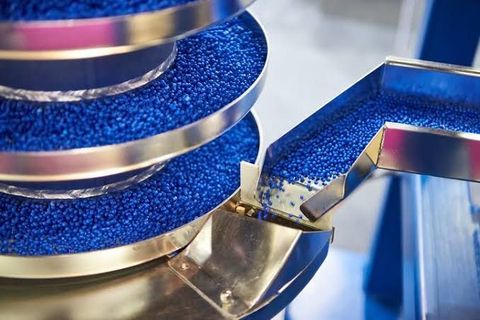
Plastic granules may be dried, blended, coloured, or mixed with approved additives and fillers.
Melting and Processing
Processing machinery heats and softens the polymer under controlled operating conditions.
Moulding or Shaping
The material is shaped through injection molding, extrusion, blow molding, thermoforming, or another suitable process.
Cooling and Finishing
Products are cooled, removed from molds, trimmed, and finished according to their specifications.
Quality Inspection
Finished products are checked for dimensions, appearance, strength, functionality, and relevant performance requirements.
Packaging and Distribution
Approved products are packed, labelled, stored, and prepared for delivery.
How to Choose the Right Plastic Manufacturer
Selecting a reliable manufacturing partner is essential for achieving consistent product quality, competitive pricing, and dependable delivery.
1. Evaluate Manufacturing Capabilities
Check whether the manufacturer has the machinery, production capacity, tooling facilities, and technical expertise required for your product.
2. Check Product Quality
Request samples and examine dimensions, material composition, surface finish, strength, and functional performance.
3. Review Material Specifications
Confirm the polymer grade, additives, colour requirements, and relevant product standards.
4. Assess Customization Capabilities
If you require a specialized product, evaluate the manufacturer's ability to develop molds, modify designs, and produce components according to technical drawings.
5. Examine Quality Certifications
Review applicable quality management certifications, testing facilities, inspection procedures, and product-specific compliance documentation.
6. Compare Pricing and Minimum Order Quantities
Request detailed quotations that include material costs, tooling charges, production expenses, packaging, transportation, and applicable taxes.
7. Verify Delivery Reliability
Discuss production schedules, order tracking, inventory arrangements, and procedures for handling rejected or defective products.
Importance of Quality Control in Plastic Manufacturing
Quality control helps plastic manufacturers maintain consistent production and reduce defective products.
Important quality checks include:
Dimensional accuracy
Material identification
Weight and thickness measurement
Tensile and impact strength
Heat resistance
Chemical resistance
Surface finish
Colour consistency
Leakage testing for containers
Product functionality
Manufacturers should establish inspection procedures according to the intended application. Food packaging, medical components, automotive parts, and industrial products may require different testing methods and compliance standards.
Sustainable Practices in Plastic Manufacturing
Sustainability has become an important consideration across the plastics industry. Manufacturers are increasingly exploring methods to reduce material waste, improve energy efficiency, and support recycling.
Recycled Plastic Materials
Recycled polymers can be used in suitable products, depending on material quality, processing requirements, and applicable regulations.
Bioplastics and Alternative Materials
Bio-based and biodegradable polymers are being developed for selected applications. However, bio-based does not necessarily mean biodegradable, and biodegradable materials may require specific industrial composting conditions.
Energy-Efficient Machinery
Modern processing equipment can help reduce energy consumption through improved heating systems, efficient motors, and optimized production controls.
Waste Reduction
Manufacturers can reduce production waste through better mold design, process optimization, material recovery, and improved quality monitoring.
Recyclable Product Design
Designing products with fewer mixed materials and easier-to-separate components can support more effective recycling.
Future Trends in the Plastic Manufacturing Industry
The plastic manufacturing sector is evolving through technological innovation, automation, and changing customer requirements.
Smart Manufacturing and Automation
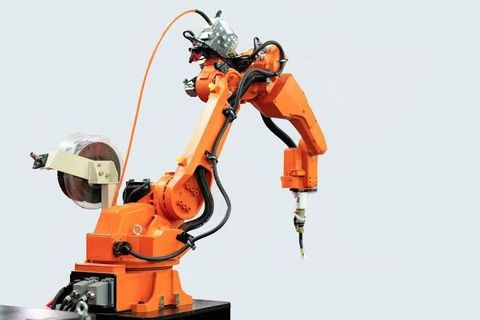
Robotics, automated material handling, sensors, and production monitoring systems are helping factories improve manufacturing consistency and operational efficiency.
Advanced Plastic Materials
Engineering polymers and specialized compounds are expanding the possibilities for lightweight, durable, and heat-resistant industrial components.
3D Printing
Plastic additive manufacturing is useful for rapid prototyping, customized components, and low-volume production where conventional tooling may be less economical.
Digital Quality Monitoring
Digital inspection systems and process sensors can help identify manufacturing variations and reduce defects.
Circular Manufacturing
Recycling, material recovery, reusable packaging, and recycled-content integration are becoming increasingly important in manufacturing strategies.
Conclusion
Plastic manufacturers play an essential role in supplying materials and finished products to packaging, automotive, construction, healthcare, electronics, and agricultural industries. Through processes such as injection molding, extrusion, blow molding, thermoforming, and rotational molding, they produce components for a wide range of commercial and industrial applications.
Choosing the right manufacturer requires evaluating production capabilities, raw materials, product quality, customization options, certifications, and delivery performance.

Related Post...
Alloy Steel Manufacturing: Process, Types, Applications, and Benefits
Updated: November 02, 2026
Read More
Industrial Spare Parts: A Complete Guide to Types, Selection, and Maintenance
Updated: November 03, 2026
Read More