China Furniture Manufacturing: A Complete Guide to Quality, Production, and Global Supply
China has become one of the world's major centres for furniture manufacturing, supplying a wide range of residential, commercial, and hospitality furniture to international markets.
The country's manufacturing industry combines large-scale production capabilities, established supply chains, skilled labour, advanced machinery, and diverse material options.
From modern living room furniture and luxury bedroom sets to office desks and customized hotel interiors, Chinese furniture manufacturers serve businesses, retailers, distributors, interior designers, and residential customers across different countries.
China furniture manufacturing offers opportunities for businesses seeking competitive production costs, product customization, and large-volume manufacturing. However, choosing the right manufacturer requires careful evaluation of product quality, production capacity, materials, pricing, and export capabilities.
Overview of China's Furniture Manufacturing Industry
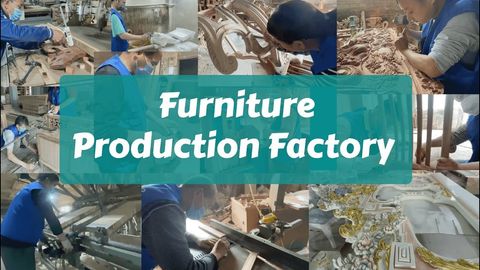
China's furniture industry includes manufacturers specializing in wood, metal, plastic, glass, upholstered, and modular furniture. Production facilities range from small workshops producing customized furniture to large factories equipped with automated manufacturing systems.
The industry supports multiple market segments, including:
Residential furniture
Office furniture
Hotel and hospitality furniture
Commercial furniture
Outdoor and garden furniture
Luxury and designer furniture
Modular and space-saving furniture
Customized furniture solutions
Manufacturing clusters and supporting industries help companies source raw materials, components, hardware, packaging, and machinery efficiently.
Major Furniture Manufacturing Regions in China
China has several important furniture production centres. Each region has developed manufacturing capabilities across particular product categories.
1. Foshan, Guangdong
A major furniture production and trading centre.
Foshan is widely recognized for its furniture manufacturing ecosystem. The region has factories producing sofas, dining tables, bedroom furniture, office furniture, and customized interior products.
Its established supplier network makes it an important destination for international furniture buyers.
2. Dongguan, Guangdong
Dongguan has a strong industrial manufacturing base and produces various furniture products, including wooden furniture, metal furniture, upholstered seating, and customized commercial interiors.
The region also benefits from supporting industries involved in components, finishing, packaging, and manufacturing equipment.
3. Guangzhou, Guangdong
Guangzhou is an important commercial centre for furniture sourcing and distribution. Manufacturers and suppliers serve residential, hospitality, and commercial furniture markets.
Its trading infrastructure helps connect international buyers with furniture producers and exporters.
4. Anji, Zhejiang
Anji is particularly associated with chair manufacturing and seating products. Manufacturers produce office chairs, ergonomic seating, dining chairs, and other furniture components.
The region has developed expertise in different seating designs and production requirements.
5. Suzhou and Shanghai Region
The broader Yangtze River Delta manufacturing region supports furniture production, component manufacturing, design, and international trade.
Businesses can find suppliers serving premium residential, commercial, and customized furniture segments.
Popular Furniture Products Manufactured in China
Chinese factories produce furniture for different applications, styles, and customer requirements.
Residential Furniture
Residential furniture is one of the major product categories within China's furniture manufacturing sector.
Common products include:
Sofas and sectional seating
Beds and headboards
Wardrobes and cabinets
Dining tables and chairs
Coffee tables
TV units
Bookshelves
Bedroom storage furniture
Manufacturers offer traditional, contemporary, minimalist, and luxury designs for different international markets.
Office Furniture
China produces a broad range of office furniture for corporate workplaces, educational institutions, and home offices.
Popular products include ergonomic chairs, executive desks, workstations, conference tables, filing cabinets, and modular office systems.
Businesses can often request customized dimensions, finishes, upholstery, and branding.
Hotel and Hospitality Furniture
Hotels, resorts, restaurants, and serviced apartments require furniture designed for functionality, appearance, and regular commercial use.
Chinese manufacturers produce:
Hotel beds and bedside tables
Reception counters
Restaurant tables and chairs
Lounge seating
Hotel wardrobes
Banquet furniture
Custom hospitality interiors
Commercial buyers should pay particular attention to durability, fire-safety requirements, upholstery specifications, and applicable local standards.
Outdoor Furniture
Outdoor furniture is manufactured using materials designed to withstand environmental exposure.
Products include garden chairs, patio tables, outdoor sofas, loungers, and balcony furniture.
Aluminium, treated wood, synthetic rattan, and weather-resistant fabrics are commonly used.
Luxury and Designer Furniture
Chinese manufacturers also produce premium furniture for luxury homes, hotels, and commercial interiors.
These products may include sophisticated finishes, detailed upholstery, decorative elements, premium materials, and customized designs.
Furniture Manufacturing Process in China
Furniture production involves multiple stages, from product development to final packaging.
Typical furniture manufacturing workflow
Design and Product Development
Manufacturers prepare drawings, dimensions, material specifications, prototypes, and production plans.
Raw Material Selection
Wood, metal, foam, fabrics, glass, hardware, and other components are selected according to product requirements.
Cutting and Processing
Materials are cut, shaped, drilled, and prepared using manual or automated machinery.
Assembly and Construction
Furniture components are joined, assembled, and fitted with the required hardware.
Surface Finishing
Products undergo polishing, painting, coating, laminating, upholstery, or other finishing operations.
Quality Inspection
Finished products are checked for dimensions, appearance, stability, workmanship, and functionality.
Packaging and Shipping
Furniture is protected using suitable packaging materials and prepared for domestic or international transportation.
Materials Used in China Furniture Manufacturing
Material selection has a direct impact on furniture quality, appearance, cost, and lifespan.
Solid Wood
Solid wood is used in premium furniture because of its natural appearance and structural properties. Common choices include oak, rubberwood, ash, and other commercially available timber varieties.
Engineered Wood
MDF, particleboard, and plywood are frequently used in cabinets, wardrobes, shelving, and modular furniture.
These materials offer different combinations of cost, strength, weight, and finishing options.
Metal
Steel and aluminium are used for furniture frames, table legs, office furniture, and outdoor products.
Metal components can provide structural strength and support contemporary designs.
Upholstery Materials
Leather, synthetic leather, polyester fabrics, linen blends, and other upholstery materials are used for sofas, chairs, and upholstered beds.
Material selection should consider comfort, durability, cleaning requirements, and the destination market.
Glass and Decorative Materials
Tempered glass, mirrors, laminates, veneers, and decorative panels are used in modern furniture designs to enhance visual appeal.
Advantages of Sourcing Furniture From China
1. Large Manufacturing Capacity
China has an extensive furniture production ecosystem with manufacturers capable of handling different order sizes and product categories.
This can benefit importers, wholesalers, retailers, and businesses managing large furnishing projects.
2. Competitive Production Costs
A developed supplier network and manufacturing infrastructure can help businesses find cost-effective production options.
However, actual prices depend on product design, materials, order quantity, finishing, packaging, and quality requirements.
3. Product Customization
Many factories offer customized manufacturing services. Buyers can specify dimensions, colours, upholstery, materials, finishes, packaging, and product branding.
This is particularly useful for furniture retailers and private-label businesses.
4. Diverse Product Designs
Manufacturers produce furniture in different styles, ranging from minimalist and contemporary designs to traditional and luxury collections.
This allows importers to source products for multiple customer segments.
5. Established Export Capabilities
Many manufacturers have experience supplying international markets and can coordinate production documentation, packaging, and export logistics.
Buyers should still independently verify export experience and compliance with destination-country requirements.
How to Choose the Right China Furniture Manufacturer
Selecting a suitable factory is essential for maintaining product quality and managing supply-chain risks.
Consider these factors before placing an order:
Manufacturing experience: Review the factory's product specialization and production history.
Factory capabilities: Evaluate machinery, production capacity, workforce, and manufacturing processes.
Product samples: Request samples to assess construction, materials, dimensions, and finishing.
Quality control: Understand how the manufacturer inspects raw materials, work-in-progress products, and finished furniture.
Customization options: Confirm whether the factory can meet your design and branding requirements.
Production timelines: Establish realistic manufacturing and delivery schedules.
Certifications: Verify relevant quality, environmental, and product-safety certifications.
Communication: Choose suppliers who provide clear specifications, quotations, and production updates.
For significant orders, consider an independent factory audit and pre-shipment inspection.
Quality Control in Furniture Manufacturing
Quality control is essential because furniture must meet both functional and aesthetic expectations.
A comprehensive inspection process may include:
Material and component verification
Dimensional accuracy checks
Structural stability testing
Joint and connection inspection
Surface finishing evaluation
Upholstery and stitching inspection
Hardware functionality testing
Packaging and labelling verification
Buyers should prepare written product specifications and agreed acceptance criteria before manufacturing begins.
For international shipments, inspections should ideally take place before the goods are dispatched.
Exporting Furniture From China to International Markets
China's furniture industry supplies products to retailers, distributors, wholesalers, hospitality businesses, and project contractors worldwide.
International furniture sourcing involves several important considerations:
Product specifications and purchase agreements
Export documentation
Import duties and applicable taxes
Shipping method and freight costs
Packaging and cargo protection
Customs clearance
Product compliance requirements
Delivery schedules and insurance
For Indian importers, it is important to check applicable customs classification, import duties, GST treatment, and any relevant quality or regulatory requirements before placing an order.
Total landed cost should include the purchase price, freight, insurance, customs duties, clearance charges, inland transportation, and other applicable expenses.
Future Trends in China Furniture Manufacturing
The furniture manufacturing industry continues to evolve through technological improvements and changing consumer preferences.
Smart Manufacturing
Automation, computer-controlled cutting equipment, digital design tools, and production management systems are helping factories improve consistency and manufacturing efficiency.
Sustainable Furniture Materials
Demand for responsibly sourced timber, recycled materials, lower-emission finishes, and environmentally conscious manufacturing is influencing product development.
Modular Furniture
Space-saving and modular furniture is becoming increasingly important for apartments, compact homes, offices, and commercial interiors.
Customized Furniture Production
Digital design and flexible manufacturing systems are making it easier for manufacturers to produce customized furniture for specific markets and projects.
Modern Interior Designs
Minimalist, multifunctional, contemporary, and premium furniture designs continue to influence international furniture demand.
Conclusion
China furniture manufacturing offers extensive opportunities for importers, retailers, wholesalers, interior designers, and hospitality businesses. With diverse product categories, established manufacturing regions, customization capabilities, and export infrastructure, Chinese manufacturers serve a wide range of international furniture requirements.

Related Post...
Industrial Spare Parts: A Complete Guide to Types, Selection, and Maintenance
Updated: November 03, 2026
Read More
Industrial Power Distribution: Components, Systems, Benefits, and Applications
Updated: November 02, 2026
Read More
Industrial Degasser: Types, Applications, Benefits and Working Principles
Updated: November 02, 2026
Read More