Vertical Turbine Pumps: Insights Into Design, Uses, and Critical Reliability
Vertical turbine pumps are designed to move water or other fluids from deep or below-ground sources to a higher discharge point.
Unlike horizontal pumps, their main pumping components are arranged vertically, allowing the equipment to work effectively with deep wells, reservoirs, tanks, and other water sources.
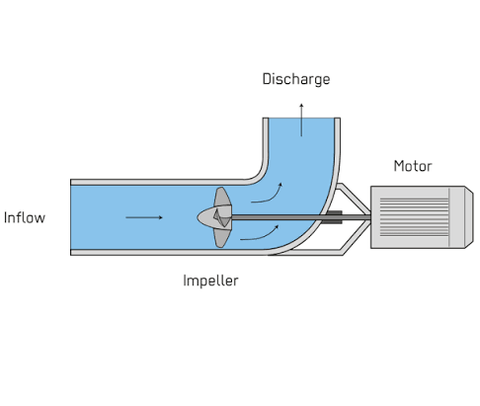
A typical vertical turbine pump consists of a vertical shaft, bowl assemblies, impellers, column pipes, and a discharge head. The motor or driver rotates the shaft, which transfers motion to the impellers. As the impellers rotate, they increase fluid pressure and move the fluid upward through the pump column.
How Vertical Turbine Pumps Work
The pumping process begins when fluid enters the lower bowl assembly. Rotating impellers transfer energy to the fluid, increasing its pressure and directing it upward through successive stages when multiple bowls are used.
The vertical arrangement allows the pump to reach fluid located well below ground level. Pump dimensions and stage configuration can vary according to flow requirements, lifting height, fluid characteristics, and installation depth.
| Component | Main Function |
|---|---|
| Impeller | Transfers energy to the fluid |
| Bowl Assembly | Guides fluid and develops pressure |
| Shaft | Transfers rotation from the driver |
| Column Pipe | Carries fluid upward |
| Discharge Head | Directs fluid into the discharge system |
| Motor or Driver | Provides rotational power |
Importance
Vertical turbine pumps are important in applications where water or fluid must be lifted from considerable depths. They are commonly associated with municipal water systems, irrigation networks, industrial facilities, power plants, and large-scale water management installations.
Their vertical configuration can also reduce the need for a long horizontal suction arrangement. This is useful when the available installation space is limited or when the fluid source is positioned significantly below the pump driver.
Applications and Operating Conditions
Vertical turbine pumps can be configured for different operating conditions. Common applications include:
- Deep-well water extraction
- Agricultural irrigation
- Municipal water distribution
- Cooling-water circulation
- Industrial process water movement
- Raw-water intake systems
- Fire protection water systems
- Reservoir and pumping-station applications
Reliability depends on several factors, including correct pump sizing, shaft alignment, lubrication, operating speed, fluid conditions, and installation quality. Running a pump outside its intended operating range can increase vibration, wear, heat generation, or hydraulic instability.
Factors Affecting Reliability
Pump reliability is influenced by both mechanical and hydraulic conditions. Proper alignment between the motor and vertical shaft helps reduce unnecessary vibration, while suitable bearing arrangements support stable shaft rotation.
Water quality can also affect operation. Suspended particles, corrosive fluids, temperature changes, and inadequate lubrication may influence component life. Regular inspection can help identify unusual vibration, temperature changes, leakage, or changes in operating performance before they become larger mechanical concerns.
Tools and Resources
Several technical resources can help users understand or evaluate vertical turbine pumps. Manufacturer engineering manuals can provide information about pump construction, operating ranges, installation requirements, and component specifications.
Pump sizing calculators can assist with basic hydraulic calculations involving flow rate, head, efficiency, and power. Engineering software can provide more detailed analysis when system conditions are complex.
Useful Technical Resources
- Pump performance curves for reviewing flow and head relationships
- Hydraulic calculators for estimating system requirements
- Equipment manuals for installation and operating information
- Vibration monitoring instruments for checking mechanical behavior
- Pressure gauges for observing changes in system pressure
- Flow meters for measuring fluid movement
- Maintenance inspection templates for recording operating conditions
These resources should be interpreted according to the specific pump design and application. Technical specifications can differ substantially between pump models and installations.
FAQs
What are vertical turbine pumps used for?
Vertical turbine pumps are used to move water or other fluids from deep sources to elevated discharge points. Common applications include irrigation, municipal water systems, industrial water movement, cooling systems, and raw-water intake installations.
How do vertical turbine pumps work?
Vertical turbine pumps use rotating impellers positioned along a vertical shaft. The impellers transfer energy to the fluid and increase its pressure as the fluid moves upward through the bowl and column assemblies.
What affects vertical turbine pump reliability?
Reliability can be affected by shaft alignment, operating speed, lubrication, fluid characteristics, installation conditions, vibration, and whether the pump operates within its intended hydraulic range.
Why are vertical turbine pumps suitable for deep wells?
Their vertical construction allows the pumping assembly to extend downward into a deep water source. Multiple bowl stages can also be arranged to generate the pressure required to lift fluid through significant vertical distances.
What should be checked during vertical turbine pump inspection?
Important checks can include vibration, shaft alignment, bearing condition, lubrication, pressure, flow, temperature, unusual noise, and visible leakage. Inspection intervals depend on equipment design and operating conditions.
Conclusion
Vertical turbine pumps provide a practical arrangement for moving water and other fluids from deep or below-ground sources. Their main components work together through a vertical shaft and staged pumping assemblies to generate the required fluid movement and pressure. Proper sizing, installation, alignment, operating conditions, and inspection all influence equipment reliability. Understanding these factors helps readers recognize how vertical turbine pumps function across water, irrigation, industrial, and infrastructure applications.

Related Post...
Hot Isostatic Pressing Overview: Discover Key Process Factors You Shouldn’t Ignore
Updated: September 28, 2026
Read More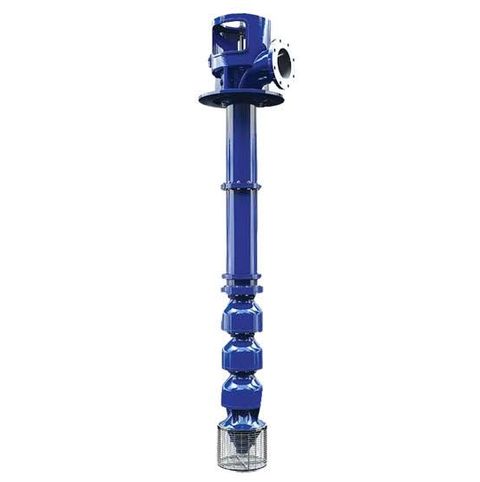
Vertical Turbine Pumps: Insights Into Design, Uses, and Critical Reliability
Updated: September 30, 2026
Read More
Cold Isostatic Pressing Insights: Avoid Common Process Mistakes Before It’s Too Late
Updated: September 28, 2026
Read More