Axial Flow Pump Systems: Guide to Performance Before Efficiency Drops
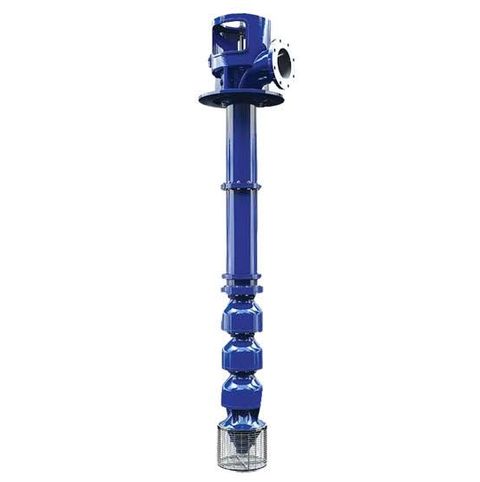
Axial flow pump systems are designed to move large volumes of liquid at relatively low pressure.
Unlike centrifugal pumps, which generally move fluid outward from the rotating impeller, axial flow pumps push liquid in a direction roughly parallel to the pump shaft. This design makes them useful where high flow rates are more important than high discharge pressure.
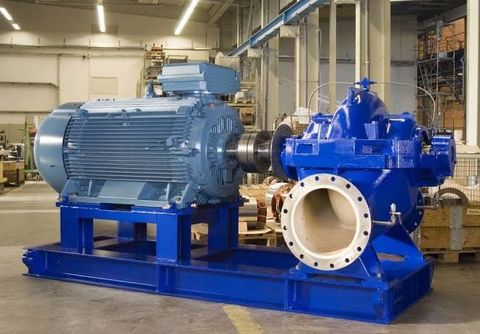
These pumps are commonly associated with drainage, irrigation, flood control, cooling water circulation, wastewater movement, and other applications involving substantial liquid volumes. Their operating principle depends on the interaction between the rotating impeller, liquid flow, pump casing, and motor or drive system.
How Axial Flow Pumps Work
An axial flow pump uses a propeller-like impeller to accelerate liquid along the shaft direction. As the impeller rotates, its blades transfer energy to the liquid, creating continuous movement through the pump.
Pump performance depends on several conditions, including flow rate, head, rotational speed, impeller design, liquid properties, and system resistance. Changes in these factors can affect how efficiently the pump operates.
Importance
Understanding axial flow pump systems matters because performance can change gradually as operating conditions, components, or surrounding equipment change. A pump may continue running while delivering a different flow rate or using more energy than expected.
For operators, engineers, facility managers, and maintenance teams, recognizing these changes can help explain unusual operating conditions. Common areas to monitor include:
- Flow rate: Changes may indicate altered system resistance, blockage, or operating conditions.
- Head: Variations between expected and actual head can affect pump output.
- Power consumption: Higher electrical input for similar output can indicate changing operating conditions.
- Vibration: Unusual vibration can be associated with imbalance, alignment issues, or hydraulic conditions.
- Noise: Changes in sound can provide an early indication of abnormal operation.
- Temperature: Motor or bearing temperature can provide useful information about operating conditions.
Performance Factors
The relationship between flow, head, and power is important when evaluating pump operation. Axial flow pumps are generally selected for applications where the required head is comparatively low and the required flow is high.
| Factor | What It Indicates | Possible Effect |
|---|---|---|
| Flow rate | Liquid movement | Determines system output |
| Head | Pressure-related operating requirement | Influences pump selection |
| Speed | Impeller rotation | Changes flow and hydraulic behavior |
| Power | Energy input | Helps assess operating conditions |
| Vibration | Mechanical and hydraulic behavior | May indicate abnormal conditions |
Efficiency can decline when a pump operates away from its intended operating range. Excessive resistance, inappropriate speed, impeller damage, air entrainment, or changes in liquid conditions can also influence performance.
Tools and Resources
Several tools can help users understand axial flow pump systems without requiring advanced engineering knowledge. Manufacturer pump curves are commonly used to compare flow rate, head, power, and efficiency at different operating points.
Pump sizing calculators can help estimate relationships between flow, head, and required power. Hydraulic calculation tools can also be used to examine pipe diameter, friction losses, elevation changes, and other system factors.
Digital monitoring platforms may track variables such as pressure, flow, vibration, motor current, and temperature. Spreadsheet templates can also help record operating measurements over time, making gradual changes easier to identify.
Operating Checks
A basic operating record can include:
- Flow rate and discharge pressure
- Motor current and operating speed
- Vibration and temperature readings
- Pump operating hours
- Changes in valves or connected piping
- Observations about unusual noise or liquid conditions
Consistent records provide useful context when comparing present operating conditions with earlier measurements.
FAQs
What are axial flow pump systems used for?
Axial flow pump systems are commonly used for high-volume, relatively low-head applications such as irrigation, drainage, floodwater movement, cooling-water circulation, and some wastewater applications.
How do axial flow pumps differ from centrifugal pumps?
Axial flow pumps move liquid primarily parallel to the shaft, while centrifugal pumps typically accelerate liquid outward through an impeller. Their hydraulic characteristics therefore differ.
What causes axial flow pump efficiency to decline?
Efficiency can be affected by operation outside the intended range, impeller wear or damage, hydraulic restrictions, air entering the flow, changes in liquid conditions, and mechanical problems.
How is axial flow pump performance measured?
Performance can be assessed using measurements such as flow rate, head, power consumption, vibration, temperature, and operating speed. These values can be compared with pump curves and expected operating conditions.
Why is flow rate important in axial flow pump systems?
Flow rate indicates how much liquid the pump moves over a given period. Because axial flow pumps are designed around high-volume movement, significant changes in flow can affect overall system operation.
Conclusion
Axial flow pump systems are designed primarily for moving large quantities of liquid at relatively low head. Their performance depends on hydraulic conditions, impeller characteristics, operating speed, and the wider pumping system. Monitoring flow, head, power, vibration, and temperature can provide useful information about changing operating conditions. Understanding these factors helps place pump performance changes in the proper technical context.

Related Post...
Hot Isostatic Pressing Overview: Discover Key Process Factors You Shouldn’t Ignore
Updated: September 28, 2026
Read More
High Pressure Pump Systems: Insights Into Pressure, Safety, and Performance
Updated: September 30, 2026
Read More
Submersible Pump Manufacturing: Insights Into Modern Production and Reliability
Updated: September 30, 2026
Read More