High Pressure Pump Systems: Insights Into Pressure, Safety, and Performance
High pressure pump systems are engineered to move liquids at pressures significantly above those used in ordinary pumping applications.
They are found in industries such as water treatment, manufacturing, agriculture, energy, cleaning, and process operations where controlled liquid pressure is necessary. Understanding how these systems work helps explain why pressure control, equipment selection, and safety measures are important.
Context
What Are High Pressure Pump Systems?
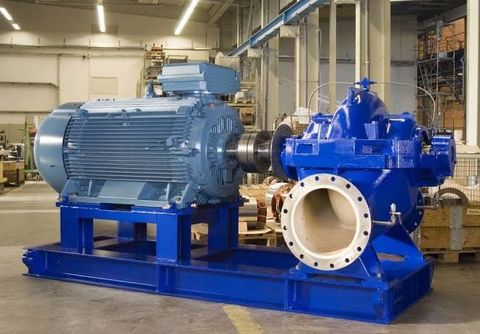
A high pressure pump system combines a pump with components such as piping, valves, pressure gauges, filters, controls, and protective devices. The pump converts mechanical energy into hydraulic energy, allowing liquid to move through a system under pressure.
Different pump designs are used according to the liquid, required flow rate, operating pressure, temperature, and application. Common designs include plunger pumps, piston pumps, diaphragm pumps, and certain centrifugal pump configurations.
Where Are They Used?
High pressure pumping technology is used when ordinary pressure levels cannot provide the required liquid movement or process conditions. Typical applications include:
- Water treatment and filtration
- Industrial cleaning systems
- Boiler and process-water circulation
- Agricultural irrigation
- Pressure testing
- Oil and gas processes
- Manufacturing equipment
- High-pressure washing equipment
The operating environment can vary considerably, so system components need to match the pressure and liquid characteristics involved.
Importance
Why Pressure Control Matters
Pressure is one of the main operating variables in a pumping system. Excessive pressure can place stress on pipes, seals, valves, fittings, and pump components, while insufficient pressure may prevent equipment from performing its intended function.
A properly designed system therefore considers both pressure and flow. Pressure gauges, control valves, pressure switches, relief devices, and automated controls can help maintain operating conditions within specified limits.
Safety Considerations
High pressure liquid can contain substantial stored energy. A damaged hose, loose connection, failed fitting, or incorrectly adjusted component can create a hazardous release of pressurized liquid.
Important considerations include:
- Using components rated for the intended pressure range
- Inspecting hoses, seals, pipes, and connections
- Installing suitable pressure-relief protection
- Following manufacturer operating instructions
- Isolating and depressurizing equipment before maintenance
- Keeping personnel away from potential discharge points
Safety procedures vary according to the application, pressure level, liquid, and applicable regulations.
Pressure and Performance Factors
Several factors influence pump performance. The following table provides a general overview:
| Factor | Effect on System |
|---|---|
| Pressure | Determines the force available for liquid movement |
| Flow rate | Indicates how much liquid moves over a given period |
| Pump speed | Can influence pressure and flow |
| Liquid properties | Affect pump selection and component wear |
| Pipe size | Influences flow resistance |
| Temperature | Can affect seals, fluids, and materials |
Monitoring these variables helps operators understand changes in system behavior and identify conditions that require technical inspection.
Tools and Resources
Useful Calculation and Monitoring Tools
Pump-system calculations can help estimate flow, pressure, hydraulic power, and other operating parameters. Engineering calculators and pump sizing tools can be useful when evaluating system requirements.
Pressure gauges and flow meters provide direct operating information, while temperature sensors can help identify changes that may affect equipment. Digital monitoring systems can also record operating data for analysis over time.
Reference Materials
Manufacturer manuals, equipment datasheets, technical standards, maintenance checklists, and engineering reference guides are useful resources for understanding equipment limits and operating procedures. Documentation should be matched to the specific pump model and installation.
FAQs
What are high pressure pump systems used for?
High pressure pump systems are used where liquids need to be moved or processed at elevated pressure. Applications include water treatment, industrial cleaning, irrigation, pressure testing, and manufacturing processes.
How do high pressure pump systems work?
A pump converts mechanical energy into hydraulic energy, creating pressure that moves liquid through connected pipes and equipment. Valves and control devices help regulate system conditions.
What safety measures are important for high pressure pump systems?
Pressure-rated components, relief devices, regular inspection, appropriate protective equipment, and proper depressurization procedures are important considerations. Specific requirements depend on the installation and operating conditions.
What affects high pressure pump performance?
Pressure, flow rate, pump speed, liquid properties, pipe dimensions, temperature, and component condition can all influence performance.
How is pump pressure monitored?
Pressure gauges, electronic pressure sensors, switches, and automated monitoring systems can measure operating pressure. The appropriate method depends on system design and required monitoring accuracy.
Conclusion
High pressure pump systems provide controlled liquid movement for many industrial and infrastructure applications. Their operation depends on the relationship between pressure, flow, pump design, piping, and control components. Proper pressure management and attention to equipment limits are important for safe and consistent operation. Technical documentation and appropriate monitoring tools provide useful information for understanding system performance.

Related Post...

Pressure Calibration Systems: Learn Why Calibration Accuracy Matters Right Now
Updated: September 28, 2026
Read More
Axial Flow Pump Systems: Guide to Performance Before Efficiency Drops
Updated: September 30, 2026
Read More
Cold Isostatic Pressing Insights: Avoid Common Process Mistakes Before It’s Too Late
Updated: September 28, 2026
Read More