Micro Machining Systems Overview: Discover What Matters Before It’s Too Late
Micro machining systems are manufacturing platforms designed to create extremely small features, holes, grooves, surfaces, and components with controlled dimensions.
A micro machining system may combine computer numerical control (CNC), precision tooling, specialized cutting processes, measurement equipment, and automated material handling.
The need for micro-scale manufacturing developed as industries began producing smaller electronic, medical, optical, aerospace, and precision mechanical components. Conventional machining methods can become difficult to control when feature sizes become very small, making specialized processes necessary.
What Micro Machining Means
Micro machining refers to manufacturing operations performed at a very small scale. Depending on the process and application, manufacturers may work with tiny holes, narrow channels, miniature slots, small gears, thin structures, or intricate three-dimensional shapes.
A micro machining machine can use mechanical cutting, drilling, grinding, electrical discharge machining, laser processing, or combinations of these techniques. The appropriate process depends on the material, geometry, required surface characteristics, and dimensional requirements.
Common systems include:
- Micro milling machines for miniature cutting operations
- Micro drilling machines for very small holes
- Micro grinding machines for controlled surface finishing
- Micro EDM machines for electrically conductive materials
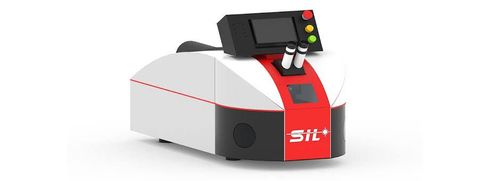
- Micro laser machining systems for contactless material processing
- Micro CNC machining centers for computer-controlled multi-axis work
Main Components of a Micro Machining System
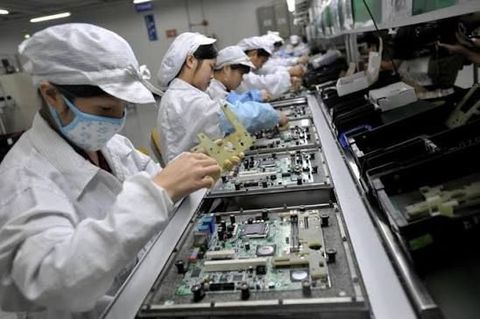
A typical micro machining equipment setup contains several coordinated elements. The machine structure provides stability, while motion systems position the workpiece and cutting tool with fine control.
Other components can include high-speed spindles, precision tool holders, sensors, coolant or lubrication systems, workholding equipment, CNC controls, inspection equipment, and software.
| Component | Main Function |
|---|---|
| CNC controller | Coordinates machining movements |
| Precision spindle | Rotates cutting or grinding tools |
| Motion system | Positions axes accurately |
| Tool holder | Secures miniature tooling |
| Workholding system | Holds small components securely |
| Sensors | Monitor operating conditions |
| Inspection equipment | Measures finished features |
| Automation system | Handles repetitive production tasks |
Precision micro machining depends on the interaction of these components rather than on the machine alone.
Where Micro Machining Is Used
Industrial micro machining supports manufacturing in several sectors where small dimensions and controlled geometries are important.
Micro machining for medical devices can involve miniature components, surgical instruments, implants, and diagnostic hardware. Micro machining for aerospace can support small structural or functional parts where dimensional consistency is important.
Other applications include:
- Micro machining for electronics
- Micro machining for semiconductor components
- Micro machining for automotive components
- Micro machining for optical components
- Miniature mechanical assemblies
- Precision laboratory components
- Small fluidic structures
Why Micro Machining Matters
The importance of micro machining has increased as products have become smaller and more integrated. Electronics, medical equipment, sensors, optical devices, and precision mechanisms frequently require components that cannot be produced efficiently with conventional manufacturing approaches alone.
Precision at Small Dimensions
At miniature scales, small changes in tool condition, temperature, vibration, material behavior, or machine alignment can affect the finished component. High precision micro machining therefore requires control over the entire machining environment.
Precision micro machining equipment may incorporate rigid machine structures, high-resolution positioning systems, temperature management, and measurement technologies. These features help maintain dimensional control during small-scale operations.
Material and Process Challenges
Different materials respond differently to micro-scale machining. Metals, ceramics, polymers, composites, and semiconductor-related materials may require different machining approaches.
Micromachining metal equipment, for example, must account for cutting forces, tool wear, heat generation, and material deformation. Some materials may be more appropriate for micro EDM or laser processing than conventional cutting.
Production Efficiency
Micro machining is also relevant to production environments where many small components must be processed consistently. Micro machining automation can connect machining, inspection, workpiece handling, and data collection.
An automated micro machining system may reduce manual handling between operations and provide more consistent process sequences. CNC micro machining automation can also coordinate multiple machining steps through programmed instructions.
Recent Developments and Current Trends
Micro machining technology continues to develop alongside smaller electronic devices, advanced medical components, sensors, optical products, and precision mechanisms. From 2024 through 2026, the broader manufacturing direction has emphasized automation, digital monitoring, higher machine stability, and integration between machining and inspection.
More Integrated CNC Systems
Modern micro CNC machining systems increasingly combine machining controls with digital monitoring and process data. A micro CNC machining machine may use software to manage tool paths, spindle conditions, production parameters, and inspection information.
Micro CNC machining centers are also being developed around multi-axis movement, allowing complex geometries to be produced with fewer separate setups.
Growth of Non-Contact Processes
Laser and electrical discharge processes remain relevant when miniature features are difficult to produce with conventional cutting tools. A micro laser machining system can process selected materials without direct mechanical contact between a cutting tool and workpiece.
Laser micro machining equipment can be used for fine cutting, drilling, marking, and structuring. Micro EDM machining systems are particularly relevant for conductive materials and intricate geometries.
Automation and Robotics
Manufacturers are increasingly connecting machine tools with automated handling and inspection equipment. Robotic micro machining systems can move components between workstations, while automated inspection can check dimensions without requiring every part to be manually measured.
A micro machining production system may therefore include machining centers, robots, sensors, inspection equipment, and production software as one coordinated workflow.
Greater Process Monitoring
Another current trend is increased use of sensors and digital data. Monitoring spindle behavior, temperature, vibration, tool condition, and machining parameters can help operators identify changes during production.
This approach is particularly useful for ultra precision machining systems, where environmental conditions and machine stability can have a significant effect on miniature features.
Laws, Standards, and Policies in India
In India, micro machining activities are affected by general industrial, environmental, workplace safety, electrical, and manufacturing requirements. The exact requirements depend on the facility, machinery, materials, processes, and location.
Workplace and Machinery Safety
Facilities operating industrial machinery generally need to address workplace safety, machine guarding, electrical safety, worker protection, emergency procedures, and safe operating practices. Requirements can differ according to the type of establishment and applicable state and central regulations.
Micro machining equipment may involve rotating spindles, lasers, electrical systems, compressed air, coolants, and moving machine axes. Each hazard category may require appropriate protective measures.
Environmental Requirements
Machining operations can generate metal chips, used cutting fluids, lubricants, contaminated materials, and other industrial waste. Facilities must manage these materials according to applicable environmental and waste-management requirements.
Laser and EDM operations may also have process-specific environmental considerations. Proper ventilation, waste handling, and equipment controls depend on the manufacturing process being used.
Quality and Measurement Standards
Precision manufacturing often uses internationally recognized measurement and quality-management standards. Organizations may apply standards covering dimensional measurement, geometric tolerances, quality systems, calibration, and machine performance.
The specific standard selected depends on the component, industry, customer requirements, and manufacturing process.
Tools and Resources for Understanding Micro Machining
Several technical resources can help readers understand or evaluate micro machining technology without needing an engineering background.
CAD and CAM Software
Computer-aided design software is used to create component geometry, while computer-aided manufacturing software converts designs into machining instructions. These tools are important for micro CNC machining systems because tool paths must accurately represent small features.
Measurement and Inspection Equipment
Microscopes, optical measurement systems, coordinate measuring machines, laser measurement equipment, and surface-measurement instruments can be used to examine miniature components.
Inspection becomes particularly important when features are too small to evaluate accurately using ordinary measuring tools.
Process Planning Resources
A basic process-planning worksheet can record:
- Material type
- Component dimensions
- Feature sizes
- Required tolerances
- Machining process
- Tool type
- Spindle requirements
- Inspection method
- Automation requirements
- Environmental considerations
Such information helps organize the requirements before selecting a machining configuration.
System Integration
A micro machining system manufacturer or micro machining system integrator may work around combinations of CNC equipment, inspection technology, robotics, software, and material handling. Understanding how these elements interact is important when considering a complete production environment rather than an individual machine.
Frequently Asked Questions
What are micro machining systems?
Micro machining systems are manufacturing platforms designed to produce very small and precise features. They can use CNC machining, milling, drilling, grinding, EDM, laser processing, or combinations of these technologies.
How does a micro CNC machining machine work?
A micro CNC machining machine follows programmed instructions to control tool movement, spindle operation, cutting paths, and other machining parameters. The system can produce miniature features with controlled positioning.
What is precision micro machining equipment used for?
Precision micro machining equipment is used for small components and features in areas such as medical devices, electronics, aerospace, automotive systems, semiconductor equipment, and optical components.
What is the difference between micro milling and micro EDM?
Micro milling uses a miniature cutting tool to physically remove material. Micro EDM uses controlled electrical discharges to remove material from electrically conductive workpieces, allowing intricate shapes to be produced without conventional cutting contact.
What is a micro machining production system?
A micro machining production system combines machining equipment with supporting technologies such as workholding, automated handling, inspection, process monitoring, and production controls. The configuration depends on the component and manufacturing requirements.
Conclusion
Micro machining systems enable the production of miniature components and highly controlled features across medical, aerospace, electronics, semiconductor, automotive, and optical applications. Current development is increasingly focused on CNC integration, automation, digital monitoring, laser processing, EDM, and coordinated inspection. Selecting an appropriate system depends on factors such as material, geometry, tolerance, production volume, tooling, measurement, and workplace requirements. Understanding these elements provides a clearer view of how modern micro-scale manufacturing operates.

Related Post...
Vision Sensors: Applications in Industrial Automation and Quality Inspection
Updated: October 21, 2026
Read More
Microcontrollers: Industrial Applications, Suppliers, and Embedded Solutions
Updated: October 21, 2026
Read More