Industrial Magnetic Drive Pumps: Types, Working & Applications
Industrial magnetic drive pumps are fluid-handling systems that transfer liquids using magnetic coupling rather than a conventional mechanical shaft seal.
This sealless configuration can help reduce the risk of process-fluid leakage in suitable applications.
These pumps are commonly used in chemical processing, water treatment, pharmaceutical production, electronics manufacturing, and other industries where fluid containment is important. Pump construction and materials vary according to the liquid, pressure, temperature, and required flow conditions.
What Are Industrial Magnetic Drive Pumps?
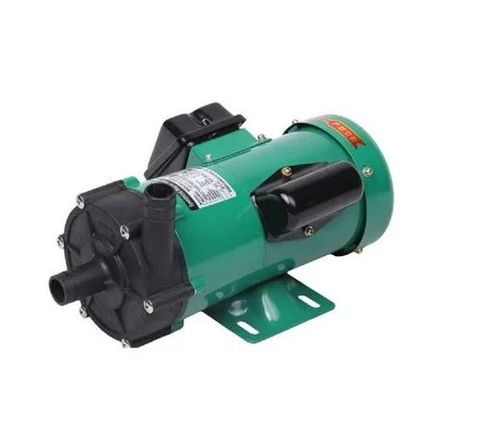
Industrial magnetic drive pumps use two sets of magnets to transmit rotational power from the motor to the pump impeller. The motor-side magnets rotate outside a containment shell, while the internal magnets rotate the impeller.
Because there is no conventional shaft penetration through the pump containment area, the design eliminates the need for a dynamic mechanical shaft seal.
A typical magnetic drive pump includes:
- Electric motor
- Outer magnetic assembly
- Inner magnetic assembly
- Impeller
- Containment shell
- Pump casing
- Shaft or bearing arrangement
- Suction connection
- Discharge connection
The exact configuration depends on pump design and application requirements.
How Magnetic Drive Pumps Work
1. Motor Rotation
The electric motor rotates the external magnetic assembly.
2. Magnetic Coupling
Magnetic forces transfer rotational motion through the containment shell to the internal magnetic assembly.
3. Impeller Rotation
The internal assembly rotates the pump impeller without requiring a conventional mechanical connection through the containment barrier.
4. Fluid Movement
The impeller generates fluid flow through the pump casing and directs the liquid toward the discharge connection.
This arrangement allows the process fluid to remain isolated from the motor and external environment.
Types of Magnetic Drive Pumps
Magnetic Drive Centrifugal Pumps
These pumps use a centrifugal impeller and magnetic coupling. They are commonly used for transferring relatively low-viscosity liquids where continuous flow is required.
High-Pressure Magnetic Drive Pumps
Specialized designs can be configured for applications requiring higher discharge pressures. Pump materials and magnetic coupling capacity must be matched to operating conditions.
Chemical Magnetic Drive Pumps
Chemical-processing pumps can use corrosion-resistant materials such as engineered plastics or specialized metals depending on the chemical being handled.
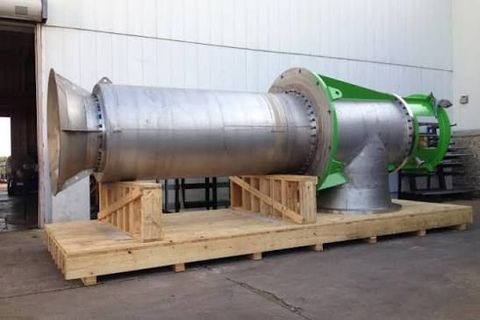
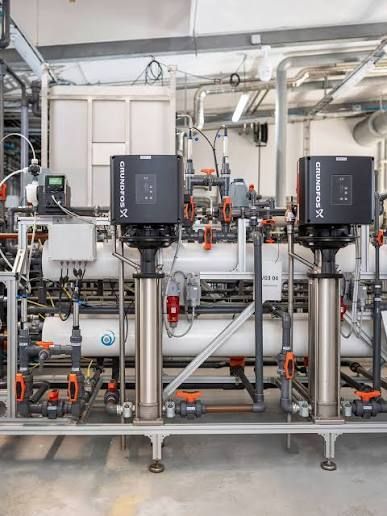
Vertical Magnetic Drive Pumps
Vertical configurations can be useful where installation space or tank arrangement requires a vertically oriented pump design.
Main Components
| Component | Function |
|---|---|
| Motor | Provides rotational power |
| Outer magnet assembly | Transfers motor rotation |
| Inner magnet assembly | Drives the impeller |
| Containment shell | Separates process fluid from drive assembly |
| Impeller | Generates fluid movement |
| Pump casing | Directs liquid through the pump |
| Bearings | Support rotating components |
| Shaft | Supports rotating internal elements |
| Suction port | Allows liquid to enter |
| Discharge port | Directs liquid out of the pump |
Materials and component configurations are selected according to the fluid and operating environment.
Applications of Industrial Magnetic Drive Pumps
Chemical Processing
Magnetic drive pumps are frequently used for transferring acids, solvents, corrosive chemicals, and other fluids where containment is important.
Water and Wastewater Treatment
Suitable magnetic drive pump designs can be used for chemical dosing, circulation, and transfer applications within water-treatment facilities.
Pharmaceutical Processing
Certain pharmaceutical processes require contained fluid handling. Magnetic drive configurations can be incorporated where the process and hygienic requirements are compatible with the pump design.
Electronics Manufacturing
Semiconductor and electronics processes may involve aggressive chemicals and high-purity fluids. Specialized magnetic drive pumps can be designed for these environments.
Plating and Surface Treatment
Pump systems can circulate and transfer chemical solutions used in plating, cleaning, and surface-treatment processes.
Industrial Cooling Systems
Magnetic drive pumps can be used for circulating compatible cooling liquids in selected industrial systems.
Advantages of Magnetic Drive Pumps
The sealless configuration provides several important characteristics:
- Reduced risk of shaft-seal leakage
- Contained process fluid
- No conventional dynamic mechanical seal
- Reduced seal-related maintenance
- Suitable designs for corrosive liquids
- Compact configurations
- Compatibility with automated systems
- Multiple material options
These characteristics do not eliminate all maintenance requirements. Bearings, containment components, magnets, and other pump elements still require appropriate inspection.
Important Operating Considerations
Magnetic drive pumps require careful attention to operating conditions. Running a pump without sufficient liquid can cause overheating or damage to internal components in many designs.
Important factors include:
- Fluid viscosity
- Fluid temperature
- Flow rate
- Discharge pressure
- Specific gravity
- Chemical compatibility
- Solid particle concentration
- Minimum flow requirements
- Dry-running conditions
- Magnetic coupling capacity
The pump should remain within the manufacturer's specified operating range.
How to Select Magnetic Drive Pumps
Selecting an industrial magnetic drive pump starts with identifying the fluid and process requirements.
Consider:
- Required flow rate
- Required discharge pressure
- Fluid composition
- Fluid temperature
- Viscosity
- Specific gravity
- Corrosive properties
- Solid content
- Pump materials
- Magnetic coupling capacity
- Motor requirements
- Installation configuration
For chemical applications, compatibility between the liquid and wetted materials is particularly important. For high-purity applications, the pump's internal construction and cleanliness requirements should also be evaluated.
Maintenance Considerations
Although magnetic drive pumps eliminate conventional mechanical shaft seals, routine maintenance remains important.
Typical inspection activities include:
- Checking bearings
- Inspecting the impeller
- Monitoring vibration
- Checking operating temperature
- Inspecting the containment shell
- Checking suction conditions
- Monitoring flow and pressure
- Inspecting piping connections
- Checking for unusual operating noise
Pump maintenance should follow the manufacturer's technical documentation and the specific process environment.
Magnetic Drive Pumps vs Mechanical Seal Pumps
| Feature | Magnetic Drive Pump | Mechanical Seal Pump |
|---|---|---|
| Shaft seal | No conventional dynamic seal | Mechanical shaft seal |
| Process containment | Sealless design | Depends on seal condition |
| Seal leakage risk | Reduced | Possible if seal fails |
| Maintenance focus | Bearings, magnets, containment parts | Seal and other pump components |
| Typical applications | Corrosive or containment-sensitive fluids | Broad industrial applications |
| Dry-running tolerance | Often limited | Depends on design |
The appropriate pump depends on the fluid, operating conditions, process requirements, and system design.
Conclusion
Industrial magnetic drive pumps provide a sealless approach to fluid transfer by using magnetic coupling to transmit motor power to the pump's rotating components. This design can be particularly useful when minimizing process-fluid leakage is an important requirement.
Applications include chemical processing, water treatment, electronics manufacturing, pharmaceutical processes, plating, and industrial circulation systems. Proper selection requires evaluation of flow, pressure, temperature, viscosity, chemical compatibility, solids content, magnetic coupling capacity, and installation conditions.

Related Post...
Industrial Magnetic Drive Pumps: Types, Working & Applications
Updated: September 19, 2026
Read More
Industrial Gear Pumps: Types, Working, Applications & Selection
Updated: September 19, 2026
Read More
Chemical Transfer Pumps: Types, Working, Applications & Selection
Updated: September 19, 2026
Read More