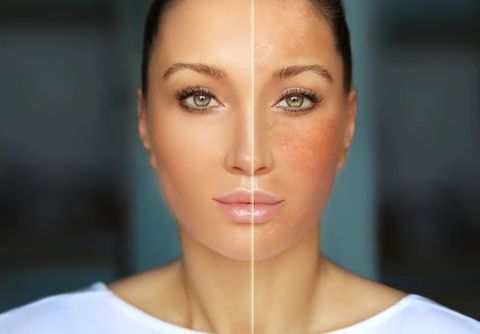
How to Understand and Manage Skin Pigmentation
Skin pigmentation is a common concern that affects people.
Skin Pigmentation
Changes in melanin production can create darker patches, spots, or uneven skin tone. People researching skin pigmentation treatment often want to understand available procedures, their costs, and ways to manage discoloration safely.
Pigmentation can develop for several reasons, including sun exposure, hormonal changes, inflammation, and natural skin characteristics. Some types gradually fade, while others may remain visible without appropriate management. Understanding the underlying cause is an important first step before considering any pigmentation removal treatment.
What Is Skin Pigmentation?
Melanin is the natural pigment responsible for skin, hair, and eye colour. It is produced by specialized cells called melanocytes and helps provide some protection against ultraviolet radiation.
When melanin production increases or becomes unevenly distributed, darker areas may appear. These changes can affect the face, neck, hands, and other parts of the body.
Why Does Pigmentation Develop?
Several factors can contribute to visible pigmentation changes. Common influences include:
Sun exposure: Ultraviolet radiation can increase melanin production and contribute to dark spots.
Hormonal changes: Certain hormonal changes may contribute to pigmentation conditions.
Skin inflammation: Marks can develop after acne, irritation, or minor skin injuries.
Natural aging: Sun exposure accumulated over time may contribute to age-related spots.
Genetics: Family history and natural skin characteristics can influence pigmentation patterns.
Identifying the possible cause helps determine which management approach may be appropriate.
Importance of Managing Skin Pigmentation
Managing pigmentation is not only about improving appearance. Understanding changes in skin colour can also help people recognize when professional assessment is necessary. Although many pigmentation concerns are harmless, a new or changing dark spot should not automatically be treated as a cosmetic issue.
A suitable management plan focuses on identifying the cause, protecting the skin, and selecting appropriate care methods. Unnecessary or aggressive treatments may cause irritation and sometimes make discoloration more noticeable.
Common Types of Skin Pigmentation
Different pigmentation conditions have different characteristics:
Melasma: Often appears as brown or grey-brown patches, particularly on the face. Hormonal influences and sunlight can contribute.
Sunspots: These are flat, darker areas associated with long-term sun exposure.
Post-inflammatory hyperpigmentation: Dark marks may remain after acne, irritation, or other inflammation.
Freckles: These are small pigmented spots influenced by genetics and sun exposure.
The appearance of these conditions can overlap. A qualified professional can help distinguish between them.
When Should Pigmentation Be Evaluated?
Professional evaluation is useful when pigmentation spreads, becomes more noticeable, or does not improve with basic skincare. A spot that changes in size, shape, or colour, develops irregular borders, or bleeds should be medically assessed rather than treated with cosmetic procedures.
Early assessment helps clarify whether the concern is ordinary pigmentation or something requiring further investigation.
Skin Pigmentation Treatment Options
Several approaches are available for managing pigmentation. The appropriate option depends on the type of discoloration, its cause, skin sensitivity, and individual circumstances. Not every treatment is suitable for every skin type.
Topical Skincare Approaches
Some skincare products are formulated to improve the appearance of uneven skin tone. These may include moisturizers, exfoliating formulations, and products designed for pigmentation concerns.
Product selection should consider skin sensitivity and ingredient suitability. Introducing several active skincare products at once may increase irritation, so a gradual approach is generally preferable.
Chemical Peels
Chemical peels use selected solutions to exfoliate controlled layers of the skin. Depending on their formulation and depth, they may help improve the appearance of superficial discoloration and uneven texture.
Temporary redness, dryness, peeling, and irritation are possible. Professional assessment is important because unsuitable peel strengths may worsen pigmentation, particularly in skin that is more prone to discoloration.
Laser Pigmentation Treatment
Laser pigmentation treatment uses specific light-based technologies to target selected pigment concerns. Different devices work in different ways, and their suitability depends on the type and depth of pigmentation.
Possible side effects include temporary redness, swelling, irritation, and changes in skin colour. A qualified practitioner should explain the expected benefits, limitations, and potential risks before treatment.
Professional Skin Treatments
A professional pigmentation treatment plan may combine skincare guidance with selected cosmetic procedures. The approach depends on the condition being addressed and the individual's response to previous treatments.
Consultations should include an explanation of expected outcomes, recovery requirements, and the possibility that pigmentation may return.
Comparing Pigmentation Treatment Options
Understanding the differences between available methods can make treatment decisions easier. The following table provides a general comparison.
| Treatment option | Common purpose | Important consideration |
|---|---|---|
| Topical skincare | Improve uneven skin tone | Requires consistent use |
| Chemical peels | Address superficial discoloration | Irritation and peeling may occur |
| Laser procedures | Target selected pigment concerns | Suitability varies by skin type |
| Professional consultation | Identify pigmentation causes | Assessment guides treatment choices |
| Sun protection | Reduce further sun-related pigmentation | Requires regular application |
These methods have different purposes and should not be considered interchangeable. Professional guidance can help determine which approach is appropriate.
Factors to Consider Before Choosing Treatment
Before comparing pigmentation treatment price or selecting a clinic, it is important to understand the procedure and its suitability. Cost alone does not indicate whether a treatment is appropriate or safe.
Skin Type and Pigmentation Cause
Different skin types respond differently to cosmetic procedures. People with skin that develops dark marks after irritation may need particular care when considering exfoliation or laser treatments.
Identifying the cause of discoloration helps avoid unsuitable approaches. A professional assessment should consider medical history, previous skincare reactions, and the appearance of the affected areas.
Skin Pigmentation Removal Cost
Skin pigmentation removal cost varies according to the treatment method, affected area, clinic location, professional qualifications, and number of sessions.
When comparing prices, consider:
Initial consultation and assessment charges.
Cost per treatment session.
Number of sessions potentially required.
Recommended skincare and aftercare expenses.
Follow-up appointments and maintenance requirements.
Requesting a clear cost estimate helps people understand the overall financial commitment before proceeding.
Choosing a Suitable Clinic
When researching a pigmentation removal clinic, consider practitioner qualifications, hygiene standards, treatment technology, and consultation practices. A responsible provider should explain possible risks and avoid guaranteeing complete or permanent removal.
It is also useful to ask about previous experience treating similar pigmentation concerns and the recommended recovery process.
Frequently Asked Questions
What Is the Best Pigmentation Treatment?
There is no single best pigmentation treatment for everyone. The appropriate method depends on the type of discoloration, its underlying cause, skin characteristics, and professional assessment.
How Much Does Pigmentation Removal Cost?
Pigmentation removal costs vary depending on the procedure, clinic, treatment area, and number of sessions. A consultation can provide a more accurate estimate.
Does Laser Pigmentation Treatment Work for Every Skin Type?
No. Different laser technologies have different suitability requirements. Skin tone, pigmentation depth, and individual sensitivity should be evaluated before treatment.
Can Skin Pigmentation Return After Treatment?
Yes. Some pigmentation conditions can return, particularly when contributing factors such as sun exposure continue. Consistent sun protection and appropriate skincare may help reduce further discoloration.
How Long Does Pigmentation Treatment Take?
Treatment duration varies depending on the pigmentation type and selected method. Some approaches require several sessions, while visible changes may develop gradually.
Conclusion
Skin pigmentation can develop because of several factors, including sunlight, hormonal changes, inflammation, and genetics. Understanding its cause helps people compare suitable skincare approaches and professional treatments.
Before choosing a procedure, consider safety, practitioner qualifications, expected costs, and realistic outcomes.
Disclaimer: The information provided in this article is for informational purposes only. We do not make any claims or guarantees regarding the accuracy, reliability, or completeness of the information presented. The content is not intended as professional advice and should not be relied upon as such. Readers are encouraged to conduct their own research and consult with appropriate professionals before making any decisions based on the information provided in this article.

Related Post...

Brighten Your Smile: Everything You Need to Know About Teeth Whitening
Updated: October 21, 2026
Read More
Thinning Hair Overview: Learn What May Be Behind Sudden Hair Changes
Updated: September 03, 2026
Read More