Brighten Your Smile: Everything You Need to Know About Teeth Whitening
Teeth whitening is a popular way many people improve the appearance of their smile by reducing stains and discoloration.
Whether caused by coffee, tea, wine, smoking, aging, or certain foods, surface and deeper stains can make teeth look yellow or dull over time. Understanding the options, how they work, and what to expect helps you make informed choices about brighter teeth.
What Teeth Whitening Involves
Teeth whitening refers to processes that lighten the color of natural teeth. It does not change the structure of the tooth but targets pigments that cause discoloration. Professional and at-home approaches use bleaching agents or mild abrasives to break down stains. Results vary based on the cause of discoloration, the method used, and individual factors such as enamel thickness and original tooth color. Not every type of stain responds the same way—surface stains from lifestyle habits often improve more readily than those linked to medications, trauma, or developmental conditions.
Why People Choose Teeth Whitening
A brighter smile can boost confidence in social and professional settings. Many adults notice gradual darkening as they age because enamel naturally thins and the underlying dentin becomes more visible. Daily habits like drinking dark beverages or smoking accelerate this process. Teeth whitening offers a non-invasive option compared with more extensive dental work. It remains one of the most requested cosmetic dental procedures because it can produce noticeable changes without altering tooth shape or requiring extensive recovery time.
Common Approaches to Teeth Whitening
Several methods exist, ranging from in-office procedures to products available for home use. Each has different levels of strength, application time, and supervision requirements.
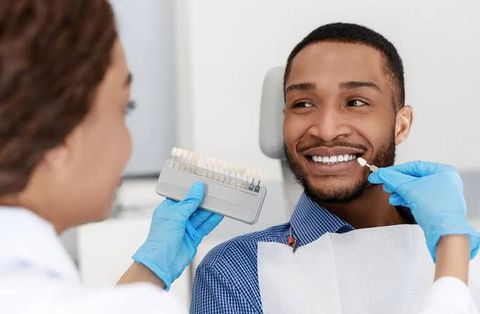
Professional in-office treatments typically use higher-concentration whitening gels applied under controlled conditions. A dental professional protects the gums and soft tissues, then activates the gel, sometimes with a special light. Sessions often last about an hour, and multiple visits may be recommended depending on the desired outcome.
Custom take-home trays provided by a dentist involve custom-fitted trays filled with a professional-strength gel. Patients wear them for a set period each day over one or two weeks. This approach allows gradual whitening with professional oversight.
Over-the-counter products include whitening strips, gels, trays, toothpastes, and rinses. These generally contain lower concentrations of active ingredients and are designed for convenience. Whitening toothpastes mainly remove surface stains through mild abrasives rather than changing the underlying tooth color significantly.
Lifestyle and maintenance habits also play a role. Limiting stain-causing foods and drinks, rinsing after consuming them, and maintaining good oral hygiene help preserve results. Some people explore natural approaches such as oil pulling or certain foods, though evidence for meaningful whitening from these methods alone is limited.
The table below offers a general comparison of common options based on typical characteristics:
| Method | Typical Setting | Approximate Duration | Level of Professional Oversight | Best Suited For |
|---|---|---|---|---|
| In-office treatment | Dental office | 1 session (about 60 minutes) | High | Faster, more noticeable change |
| Custom take-home trays | Home (dentist-supplied) | 1–2 weeks | Moderate | Controlled, gradual results |
| Whitening strips/gels | Home | Daily use for 1–2 weeks | Low | Convenience and mild improvement |
| Whitening toothpaste | Daily brushing | Ongoing | None | Surface stain removal |
Results and experiences differ from person to person. Consulting a dental professional before starting any whitening routine helps identify the most suitable approach and rule out underlying issues such as cavities or gum problems.
Safety Considerations and Realistic Expectations
Teeth whitening is generally considered safe when used as directed, yet temporary side effects can occur. Tooth sensitivity is the most common, often appearing during or shortly after treatment and usually resolving within a few days. Gum irritation may also happen if the whitening agent contacts soft tissues. People with existing sensitivity, thin enamel, or restorations such as crowns and veneers should proceed carefully, as whitening products do not change the color of artificial materials.
Whitening is not permanent. Lifestyle habits and natural aging cause gradual re-staining, so periodic touch-ups are often needed. Overuse of whitening products can lead to enamel irritation or uneven results. Pregnant individuals, children, and those with certain dental conditions are typically advised to avoid or delay whitening. A dental checkup beforehand ensures teeth and gums are healthy enough for the process.
Frequently Asked Questions
How long do teeth whitening results last?
Results can last from several months to a few years depending on diet, oral hygiene, and whether touch-up treatments are used. Avoiding or reducing stain-causing substances helps extend the effect.
Is teeth whitening safe for everyone?
Most healthy adults can use whitening products safely when following instructions. Those with gum disease, untreated cavities, or extreme sensitivity should seek professional advice first.
Can I whiten teeth with crowns or veneers?
Whitening agents primarily affect natural tooth structure. Existing restorations will not lighten and may appear more noticeable afterward if surrounding teeth become brighter.
Do natural methods work as well as commercial products?
Some habits support stain prevention, but strong clinical evidence for significant whitening from purely natural approaches remains limited compared with established bleaching methods.
How soon can I eat or drink after whitening?
Many people are advised to avoid highly pigmented foods and drinks for the first 24–48 hours after stronger treatments to minimize new staining while teeth are more receptive.
Conclusion
Teeth whitening provides a practical option for reducing common stains and enhancing smile appearance. By understanding the available methods, potential side effects, and the importance of professional guidance when needed, individuals can choose an approach that fits their goals and oral health. Maintaining good daily habits remains key to preserving any improvement achieved. For personalized recommendations, speaking with a dental professional is the most reliable next step.

Related Post...

Full Face Tone Balancing Explained: Explore Basics, Facts, and Essential Information
Updated: April 15, 2026
Read More

Skincare Devices Overview: Discover What You Need Before Your Next Routine
Updated: October 16, 2026
Read More