Automatic Checkweigher Overview: Important Features to Explore Before Your Next Step
Automatic checkweigher systems are used on production lines to measure individual products while they move through a conveyor and identify items that fall outside a defined weight range.
An automatic checkweigher, automatic checkweigher machine, or industrial checkweigher machine can work as part of an automated weighing system, checking packages without requiring an operator to stop each item. These systems are common in food processing, pharmaceuticals, packaging, logistics, and other manufacturing environments where consistent weight inspection is important.
Context
What an Automatic Checkweigher Does
A checkweigher combines weighing, conveying, control software, and product handling into one inspection process. As a product enters the weighing area, a load cell or another weighing technology measures its mass. The control system compares the measured value with preset limits and records or acts on the result.
A checkweigher machine normally works dynamically, meaning the product is weighed while moving. This distinguishes it from a conventional static scale, where an item usually needs to remain stationary before measurement.
An online checkweigher or inline checkweigher can be installed directly into an existing production flow. A conveyor checkweigher uses controlled movement to transfer products across the weighing section, while a conveyor weighing system can be configured around product shape, spacing, and line speed.
Main Parts of a Checkweighing System
Although designs vary, automatic weighing equipment commonly contains several basic elements:
- Infeed conveyor: Moves products toward the weighing area.
- Weighing conveyor: Carries the product across the weighing mechanism.
- Load cell or weighing sensor: Detects product mass.
- Controller: Processes measurements and compares them with target limits.
- Display or interface: Shows measurements, settings, alarms, and production information.
- Reject mechanism: Removes products outside defined criteria when required.
- Data connection: Transfers inspection information to another control or reporting system.
The combination of these components is sometimes described as an automated weight inspection system or weight inspection system.
Common Configurations
Different production environments require different arrangements. A high speed checkweigher may be designed for rapid product movement, while a high precision checkweigher focuses on measurement stability and controlled operating conditions.
A dynamic checkweigher measures moving products, and a continuous checkweigher is designed for ongoing inspection across a production stream. A multi lane checkweigher can inspect products moving through several lanes, while a combination checkweigher system may integrate weighing with another inspection function.
Importance
Why Weight Inspection Matters
Weight is often part of a product's defined specification. A package below its intended quantity can create labeling or compliance concerns, while an item substantially above its target can indicate variation in the filling or packaging process.
An automatic weight inspection machine can identify these variations during production rather than relying only on periodic manual checks. This creates a record of individual measurements and can help production teams identify patterns that may require process review.
For packaged food, pharmaceutical products, household goods, and other products sold in defined quantities, weight inspection can support consistent packaging practices. Exact legal requirements depend on the product, market, and measurement method.
Where Checkweighers Are Used
The same basic principle can be adapted to many product formats:
| Application | Typical Product Format | Main Inspection Purpose |
|---|---|---|
| Food processing | Trays, cans, bags, cartons | Weight verification |
| Pharmaceuticals | Bottles, cartons, packs | Product and package checks |
| Packaging | Pouches, boxes, containers | Fill-weight inspection |
| Beverage production | Bottles, cans | Quantity verification |
| Logistics | Parcels and cartons | Weight classification |
| Manufacturing | Components and assemblies | Process inspection |
A pharmaceutical checkweigher machine may operate under controlled production procedures, while a food industry checkweigher may require a design suitable for regular cleaning and packaged food handling. A bottle checkweigher, carton checkweigher, or pouch checkweigher can also require different conveyor arrangements because product dimensions and stability vary.
Reject Systems and Quality Control
An automatic reject checkweigher can connect to a mechanism that removes products outside the selected weight range. Depending on the line, the reject device may use a pusher, air system, diverter, or another controlled mechanism.
A checkweigher with reject system should be configured so rejected items can be clearly separated from accepted products. In a broader checkweigher quality control system, inspection results can also be combined with production records to help identify recurring deviations.
Recent Updates
Greater Use of Connected Systems
Current checkweighing systems increasingly focus on connectivity and data handling. An automated weighing system may connect with production control software, supervisory systems, databases, or other factory equipment.
This trend makes checkweigher integration an important consideration. Instead of treating the weighing unit as an isolated machine, manufacturers may use it as one part of a connected production environment.
More Attention to Traceability
Production teams are placing greater emphasis on recording inspection information. A weight inspection system may store product identifiers, target values, measured values, reject events, and production batches, depending on system configuration.
Digital records can make it easier to review recurring deviations and compare production runs. The information retained depends on the equipment, software, industry rules, and internal quality procedures.
Flexible Line Configurations
Another current trend is greater flexibility. A custom checkweigher system may be configured for different package dimensions, product spacing, lane arrangements, or production speeds.
For facilities handling several product formats, recipe management can allow operators to select predefined settings for each product. The setup still needs to be verified for the specific application and operating conditions.
Integration With Wider Inspection Systems
Modern production lines may combine weighing with metal detection, vision inspection, barcode reading, labeling, or other controls. This can create a broader automated weight inspection system in which different inspection steps share production data.
A turnkey checkweigher system can also be part of an automatic checkweigher production line, where conveying, weighing, rejection, and data collection are coordinated as one process.
Laws or Policies
Measurement Rules
Checkweighers used for regulated measurement can be affected by national metrology laws and rules governing weighing instruments. Requirements vary depending on whether equipment is used for internal process control or for legally regulated measurement.
In the European Union, automatic weighing instruments fall within Directive 2014/32/EU, which includes specific provisions for automatic checkweighers. The applicable conformity assessment route depends on the instrument and intended use.
Machinery Safety
An industrial checkweigher machine is also a piece of machinery, so general machinery safety requirements may apply. In the European Union, Regulation (EU) 2023/1230 is the newer machinery framework and is scheduled to apply from January 2027, replacing the earlier Machinery Directive framework.
Other countries use their own machinery safety, electrical safety, workplace safety, and metrology rules. An automatic checkweigher manufacturer, industrial checkweigher manufacturer, or equipment user therefore needs to identify the rules applicable in the country where the equipment will operate.
Product Labeling and Quantity Rules
Food, pharmaceutical, cosmetic, and other packaged goods can have specific requirements for declared quantity and labeling. For example, U.S. food labeling rules address net quantity statements, while other jurisdictions use their own measurement and labeling frameworks.
A checkweigher can support production control, but the machine itself does not determine whether a product complies with every labeling or legal requirement. Compliance depends on the product, measurement procedure, equipment configuration, and applicable regulations.
Tools and Resources
Useful Technical Resources
Several resources can help people understand or plan a checkweighing application. Equipment manuals can explain weighing ranges, conveyor arrangements, calibration procedures, environmental limits, and operating settings.
Regulatory databases are useful when determining whether a particular automatic weighing machine is subject to metrology or machinery requirements. Product specifications, installation drawings, electrical documentation, and inspection records can also help teams evaluate system compatibility.
When comparing an automatic checkweigher supplier or checkweigher equipment manufacturer, technical documentation can provide useful information about operating ranges, interfaces, conveyor dimensions, weighing methods, and applicable conformity requirements.
Information to Compare
Before configuring a checkweigher equipment setup, technical teams commonly review:
- Product dimensions and weight range
- Required weighing accuracy and repeatability
- Conveyor speed and product spacing
- Number of production lanes
- Environmental conditions
- Cleaning requirements
- Reject method
- Data and communication interfaces
- Calibration and verification procedures
- Applicable regulatory requirements
These factors help define whether an industrial weighing inspection system, inline weighing system, or specialized arrangement is appropriate.
FAQs
What Is an Automatic Checkweigher?
An automatic checkweigher is a weighing system that measures individual products while they move through a production line. It compares each measurement with preset limits and can identify products that fall outside those limits.
How Does an Automatic Checkweigher Machine Work?
An automatic checkweigher machine moves a product onto a weighing conveyor, measures its mass, and sends the result to a controller. The system then classifies the item according to programmed weight criteria.
What Is an Inline Checkweigher?
An inline checkweigher is installed directly within a production or packaging line. It allows products to be weighed as part of normal conveyor flow rather than being removed for separate weighing.
What Is a High Precision Checkweigher Used For?
A high precision checkweigher is designed for applications where measurement consistency is particularly important. Its performance depends on sensor design, product stability, conveyor conditions, environmental factors, and calibration.
What Is a Pharmaceutical Checkweigher Machine?
A pharmaceutical checkweigher machine is used to inspect the weight of pharmaceutical packages or related products. Its configuration and documentation need to match the applicable manufacturing, measurement, hygiene, and quality requirements for the specific application.
Conclusion
Automatic checkweighers combine dynamic weighing, conveyor handling, control software, and inspection functions in a single production process. Their configurations vary according to product format, speed, accuracy requirements, environmental conditions, and regulatory needs. Recent development has placed more attention on connectivity, traceability, flexible configurations, and integration with other inspection technologies. Understanding these factors provides a clearer view of how checkweigher systems fit into modern production and packaging environments.

Related Post...
Stainless Steel Food Conveyor Tips: Avoid These Mistakes Before Production Begins
Updated: September 02, 2026
Read More
Optical Inspection Machine Guide: Key Checks to Know Before Your Next Upgrade
Updated: September 02, 2026
Read More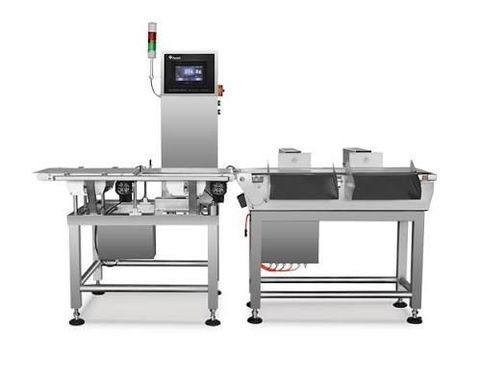
Automatic Checkweigher Overview: Important Features to Explore Before Your Next Step
Updated: September 02, 2026
Read More