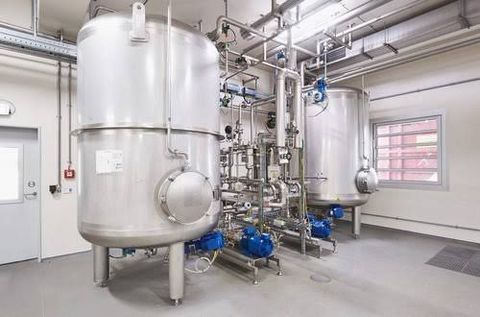
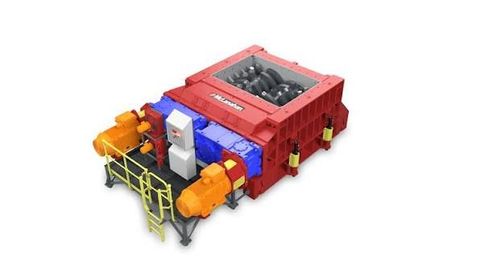
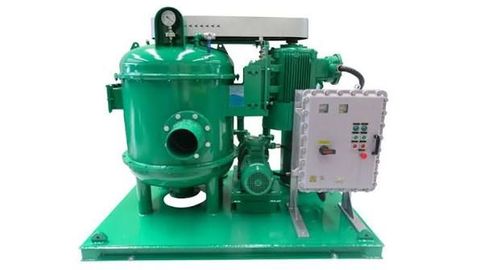
Die Casting Machines: Types, Applications, Benefits and Buying Guide
Die casting machines are essential pieces of industrial equipment used to manufacture precise metal components in large quantities.
These machines force molten metal into specially designed molds, known as dies, under controlled pressure. The process allows manufacturers to produce complex shapes with consistent dimensions, smooth surfaces, and repeatable quality.
Die casting technology is widely used in automotive manufacturing, electronics, aerospace, consumer products, electrical equipment, and industrial machinery. Components such as engine housings, pump bodies, structural brackets, appliance parts, and electronic enclosures can be manufactured using appropriate die casting processes.
As industries demand lighter products, greater manufacturing efficiency, and consistent component quality, die casting machines continue to play an important role in modern metal production.
What Are Die Casting Machines?
Die casting machines are industrial machines designed to inject or force molten metal into a reusable metal mold. The molten material fills the mold cavity, cools, and solidifies into the required shape.
The machine controls important process parameters, including injection pressure, metal delivery, die clamping force, and cycle timing. Once the metal solidifies sufficiently, the die opens and the casting is removed.
Unlike many traditional casting methods, die casting is particularly suitable for high-volume manufacturing because the same die can produce numerous components when properly designed and maintained.
Die casting machines are available in different configurations depending on the metal alloy, component size, production volume, and required casting characteristics.
How Does a Die Casting Machine Work?
The die casting process consists of several coordinated steps that help transform molten metal into a finished or semi-finished component.
1. Preparing the Die
The process begins with a specially designed steel die containing the required mold cavity. The die may include cooling channels, vents, runners, gates, and ejector mechanisms.
The two halves of the die are installed in the machine and closed using a clamping system. Proper die preparation is important for maintaining dimensional accuracy and reducing casting defects.
2. Melting the Metal
The selected metal alloy is heated until it reaches the required molten condition. Common die casting materials include aluminum, zinc, magnesium, and certain copper-based alloys.
The melting temperature and handling requirements depend on the alloy. Metal cleanliness and temperature control are important because contamination or unsuitable temperatures can affect the quality of the final casting.
3. Injecting Molten Metal
The machine introduces molten metal into the die cavity. Depending on the machine type, the metal may be injected through an integrated shot system or transferred from a separate holding furnace.
Injection speed, pressure, and timing must be controlled to ensure the cavity fills correctly and the metal solidifies as intended.
4. Cooling and Solidification
The molten metal cools inside the die and solidifies into the required shape. Cooling channels and process settings help manage the rate of solidification.
Appropriate cooling is essential for reducing defects, maintaining dimensional consistency, and supporting efficient production cycles.
5. Opening the Die and Ejecting the Casting
Once the casting has solidified sufficiently, the machine opens the die. Ejector pins or other mechanisms release the component from the mold.
The casting may then undergo trimming, machining, surface finishing, heat treatment where appropriate, and quality inspection.
Types of Die Casting Machines
Different die casting machines are designed for particular alloys and production requirements. The two primary types used in conventional die casting are hot chamber and cold chamber machines.
1. Hot Chamber Die Casting Machines
Hot chamber die casting machines use an injection mechanism that is immersed in or directly connected to a molten metal holding system. This arrangement allows molten metal to enter the injection mechanism quickly.
Hot chamber machines are commonly used for alloys with relatively low melting temperatures that are compatible with the machine's injection components.
Zinc alloys are a major application, while certain magnesium alloys and other suitable materials may also be processed using appropriately designed systems.
Key benefits include:
Fast production cycles.
Efficient metal delivery.
Reduced handling between the holding furnace and injection system.
Suitability for high-volume production of small and medium-sized components.
Hot chamber machines are often used to manufacture locks, connectors, hardware, small housings, and precision zinc components.
However, the process is not suitable for every metal. Alloy compatibility, operating temperature, and equipment design must be considered carefully.
2. Cold Chamber Die Casting Machines
Cold chamber die casting machines use a separate metal melting or holding furnace. A measured quantity of molten metal is transferred into a shot chamber, where a plunger forces it into the closed die.
This configuration is commonly used for aluminum alloys and certain other metals that require conditions unsuitable for conventional hot chamber injection systems.
Key benefits include:
Suitability for many aluminum die casting applications.
Flexibility for different alloy requirements.
Capability to produce complex components.
Support for medium- and high-volume manufacturing.
Cold chamber machines are widely used in automotive parts, motor housings, industrial enclosures, structural components, and equipment housings.
Their production cycles may be longer than those of comparable hot chamber machines because metal transfer and shot chamber preparation are separate steps.
3. High-Pressure Die Casting Machines
High-pressure die casting, often abbreviated as HPDC, is a process in which molten metal is injected into a closed die at high speed and pressure.
Both hot chamber and cold chamber machines can be used for high-pressure die casting, depending on the alloy and machine design.
HPDC is particularly suitable for complex components that require relatively thin walls, detailed features, and high production volumes.
The process demands careful control of injection conditions, venting, die temperature, and metal quality to reduce problems such as porosity, incomplete filling, and surface defects.
4. Low-Pressure Die Casting Machines
Low-pressure die casting uses controlled gas pressure to move molten metal from a holding furnace into a die, generally through a delivery tube.
Compared with high-pressure die casting, the filling process is typically slower and more controlled. This can help reduce turbulence and support good casting quality for suitable components.
Low-pressure die casting is commonly used for certain aluminum wheels, automotive components, and other parts where mechanical properties and controlled filling are important.
Although the process differs from conventional high-pressure injection, it remains an important option for manufacturers seeking particular casting characteristics.
Applications of Die Casting Machines
Die casting machines support numerous industries because they can produce complex metal parts efficiently and repeatedly.
Automotive Manufacturing
The automotive industry uses die casting to manufacture transmission housings, motor components, brackets, covers, structural parts, and other metal components.
Aluminum die casting is particularly valuable when manufacturers want to reduce component weight while maintaining suitable strength and dimensional performance.
Electric vehicles have also increased interest in large aluminum castings for selected structural and powertrain applications. These components may require specialized machines, advanced die designs, and careful process control.
Electronics and Electrical Equipment
Electronics manufacturers use die casting machines to produce enclosures, heat sinks, connectors, housings, and mounting components.
Metal housings can provide structural protection and, where appropriately designed, support heat dissipation or electromagnetic shielding.
Zinc and aluminum alloys are commonly considered for different enclosure and component requirements.
Industrial Machinery
Industrial equipment often requires durable housings, pump components, gear cases, machine brackets, and other metal parts.
Die casting can support repeatable production of these components, particularly when the design is suitable for the process and the production volume justifies the tooling investment.
Consumer Products
Die casting machines are used to manufacture hardware, furniture components, appliance parts, decorative fittings, and various consumer product components.
The ability to create detailed shapes can reduce the number of separate parts needed in certain designs.
Aerospace and Specialized Engineering
Selected die casting applications are used in aerospace-related equipment and specialized engineering products. These applications require careful evaluation of material properties, porosity, inspection methods, and applicable qualification standards.
Not every die casting process is suitable for every critical aerospace component, so manufacturers must select a validated process based on the intended use.
Benefits of Using Die Casting Machines
High Production Efficiency
Die casting can produce large numbers of components using repeatable automated cycles. Once the tooling and process are properly established, manufacturers can achieve consistent output with limited manual handling.
Complex Component Design
The process can produce intricate geometries, detailed features, and thin sections that may be difficult or expensive to manufacture using other methods.
Design suitability depends on alloy properties, component dimensions, wall thickness, and die configuration.
Dimensional Consistency
A properly designed die and stable process can deliver consistent component dimensions across production runs.
This can reduce the need for extensive machining and support more efficient assembly operations.
Good Surface Finish
Die casting often produces relatively smooth surfaces and detailed external features. The final surface quality depends on the alloy, die condition, process parameters, and finishing requirements.
Some components can be used with minimal finishing, while others require machining, polishing, coating, or other treatments.
Efficient Material Utilization
Die casting can reduce material waste compared with certain machining-intensive manufacturing methods. However, runners, gates, overflows, and rejected castings may still generate scrap.
Many metal alloys can be recycled through suitable processes, helping manufacturers recover material value.
Support for Lightweight Products
Aluminum and magnesium die casting can help manufacturers create lighter components for automotive, electronics, and industrial applications.
Weight reduction can be beneficial when it is achieved without compromising the component's structural, thermal, or safety requirements.
How to Choose the Right Die Casting Machine
Selecting a suitable die casting machine requires a detailed evaluation of production needs, material requirements, and long-term operating costs.
Identify the metal alloy. Determine whether the application involves aluminum, zinc, magnesium, or another suitable alloy. Alloy compatibility is a key factor in choosing between hot chamber, cold chamber, and other casting technologies.
Determine the required clamping force. Machine clamping capacity must be appropriate for the projected area of the casting and the pressures generated during the process. Undersized equipment may lead to die separation and flash formation.
Evaluate shot capacity. The machine must accommodate the required metal volume for each shot, including the casting and the relevant runner system.
Consider component size and complexity. Review die dimensions, tie-bar spacing, opening stroke, ejection requirements, and the overall size of the intended casting.
Review production targets. Estimate daily or annual output, cycle time, machine utilization, and anticipated product changes. High-volume operations may benefit from automated metal handling, extraction, trimming, and inspection systems.
Assess automation options. Robotic casting removal, automatic lubrication, die spraying, process monitoring, and integrated quality controls can improve productivity when properly configured.
Compare energy and maintenance costs. Evaluate electricity consumption, furnace requirements, cooling systems, hydraulic components, spare parts, and scheduled maintenance.
Check supplier support. Consider installation, commissioning, operator training, warranty coverage, tooling support, and availability of technical service.
A machine should be selected based on the complete production system rather than a single specification such as clamping force or purchase price.
Maintenance and Quality Control
Regular maintenance helps die casting machines operate safely and consistently. Preventive maintenance should include inspection of hydraulic systems, lubrication circuits, clamping mechanisms, injection components, cooling systems, sensors, and safety interlocks.
Dies also require careful inspection for wear, cracking, erosion, damaged cooling channels, and changes in cavity dimensions.
Quality control may include visual inspection, dimensional measurement, pressure testing, radiographic inspection, or other non-destructive testing methods, depending on the component's intended use.
Manufacturers should monitor key process parameters such as metal temperature, die temperature, injection speed, pressure, and cycle time. Consistent process records can help identify the causes of recurring defects.
Operators must follow appropriate procedures for handling molten metal, working around moving machinery, managing hydraulic pressure, and controlling heat-related hazards.
Future Trends in Die Casting Technology
Die casting technology continues to evolve as manufacturers pursue greater productivity, improved quality, and reduced environmental impact.
Automation and robotics are helping reduce manual handling and improve repeatability. Digital monitoring systems can collect process data and identify changes that may indicate equipment wear or developing quality issues.
Advanced die designs, improved cooling channels, and optimized injection controls can help manufacturers manage solidification and reduce defects.
The development of large-scale aluminum die casting is also attracting interest in automotive manufacturing, particularly for selected electric vehicle structures and integrated components.
At the same time, manufacturers are exploring energy-efficient furnaces, improved metal recycling, and more effective process controls to reduce production costs and environmental impacts.
Conclusion
Die casting machines are essential for manufacturing complex metal components with consistent quality and high production efficiency. Hot chamber and cold chamber machines serve different alloy requirements, while high-pressure and low-pressure processes provide additional options for specific component designs.
From automotive and electronics manufacturing to consumer products and industrial machinery, die casting technology supports a wide range of production needs.

Related Post...
Discover China’s Top Electronics Manufacturers Shaping Global Tech
Updated: October 21, 2026
Read More
Vision Sensors: Applications in Industrial Automation and Quality Inspection
Updated: October 21, 2026
Read More