Replacement Windows Overview: Types, Materials, and Installation Details
Replacement windows are designed to take the place of existing windows in a home or commercial building.
The subject covers several areas, including window replacement, frame materials, glass configurations, installation methods, energy performance, and building requirements. Unlike new construction windows, replacement windows are generally designed around an existing opening and may use different installation approaches depending on the condition of the surrounding frame.
Window replacement has developed alongside changes in residential construction, insulation practices, glazing technology, and building efficiency standards. Older windows commonly use single-pane glass, aging frames, or hardware that no longer operates properly. Modern replacement windows can include insulated glass units, low-E coatings, multiple panes, and frames made from vinyl, fiberglass, aluminum, or wood.
The term replacement windows can describe many different products. A homeowner researching home window replacement may encounter double pane replacement windows, triple pane replacement windows, vinyl replacement windows, fiberglass replacement windows, aluminum replacement windows, wood replacement windows, custom replacement windows, and impact resistant windows.
How replacement windows differ from new construction windows
Replacement windows are generally intended for existing buildings where the original opening remains in place. New construction windows are commonly incorporated into newly built structures or major reconstruction projects where the wall opening and surrounding materials are accessible.
The appropriate configuration depends on the building, existing frame, opening dimensions, moisture conditions, exterior materials, and installation method. A window replacement contractor or residential window contractor may assess these factors before determining the suitable approach.
Main window components
A window normally consists of several interacting components:
- Frame: The structural perimeter made from materials such as vinyl, wood, fiberglass, or aluminum.
- Glazing: The glass portion, which may contain one, two, or three panes.
- Low-E coating: A thin coating designed to manage heat transfer and solar radiation.
- Spacer: A component separating glass panes within an insulated glass unit.
- Sash: The portion that holds the glazing and may move depending on the window design.
- Hardware: Handles, locks, balances, hinges, and other operating components.
Understanding these parts helps explain why replacement window installation involves more than simply placing new glass into an existing opening.
Importance
Window condition can influence indoor comfort, daylight, ventilation, noise transmission, and moisture management. Drafts, damaged frames, difficult operation, condensation between panes, and deteriorated seals are among the conditions that can lead property owners to investigate window replacement.
Energy performance is another important consideration. Energy efficient replacement windows can reduce unwanted heat transfer compared with poorly performing older units, although actual results depend on the building envelope, climate, installation quality, shading, and heating or cooling equipment.
Who may consider window replacement
Residential window replacement can be relevant to homeowners dealing with aging windows, while commercial window replacement applies to offices, retail buildings, multifamily properties, institutions, and other structures.
Common reasons for examining replacement options include:
- Persistent drafts around window openings
- Damaged or deteriorated frames
- Glass that is cracked or difficult to operate
- Moisture appearing between insulated glass panes
- Poor acoustic separation from outdoor noise
- Windows that are difficult to open, close, or lock
- A desire to improve thermal performance during renovation
A whole house window replacement project requires broader planning because window dimensions, interior finishes, exterior materials, ventilation, and installation sequencing may vary throughout the building.
Comparing common materials
| Material | Typical characteristics | Common considerations |
|---|---|---|
| Vinyl | Low-maintenance polymer frame | Thermal performance and frame dimensions |
| Fiberglass | Rigid frame material | Strength, dimensional stability, and appearance |
| Aluminum | Lightweight metal frame | Durability and thermal characteristics |
| Wood | Natural frame material | Appearance, maintenance, and moisture protection |
| Composite | Combination of materials | Design, durability, and performance characteristics |
No single frame material is appropriate for every building. Climate, architectural style, maintenance expectations, opening dimensions, and glazing configuration all influence the selection process.
Recent Updates
From 2024 through 2026, window technology has continued moving toward improved thermal performance and climate-specific product selection. ENERGY STAR criteria for residential windows use U-factor and solar heat gain coefficient requirements that vary according to climate zone. Current ENERGY STAR residential window criteria took effect in 2023 and remain an important reference for evaluating energy efficient windows.
Another notable development concerns federal tax policy. The federal Energy Efficient Home Improvement Credit under Section 25C was changed by legislation enacted in 2025. The Internal Revenue Service states that the credit does not apply to qualifying property placed in service after December 31, 2025. Therefore, information published before the policy change may no longer describe the rules applicable in 2026.
Performance features receiving attention
Modern window specifications increasingly emphasize measurable characteristics rather than appearance alone. Important terms include U-factor, solar heat gain coefficient, air leakage, visible transmittance, and condensation resistance.
Double pane replacement windows contain two glass panes separated by an insulating space. Triple pane replacement windows add another pane and insulating space, which can improve thermal and acoustic characteristics in appropriate applications.
Low e replacement windows use a low-emissivity coating to influence radiant heat transfer. Insulated glass replacement windows combine multiple panes with a sealed space, often containing air or an insulating gas.
Climate-specific designs
Climate has a significant influence on window selection. In regions exposed to hurricanes or severe storms, hurricane replacement windows and other impact resistant windows may be designed around specific structural and testing requirements.
Soundproof replacement windows are another area of interest, particularly near airports, highways, rail corridors, and dense urban areas. Their effectiveness depends on the entire window assembly, including glass thickness, frame design, seals, and installation.
Laws or Policies
Window replacement in the United States can be affected by federal, state, and local requirements. Building codes may address structural performance, emergency escape and rescue openings, safety glazing, energy efficiency, weather resistance, and installation practices.
Energy requirements vary by jurisdiction, so a replacement window specification that is suitable in one location may require different performance characteristics elsewhere. Local building departments and applicable code documents are therefore important references for projects involving structural changes or substantial alterations.
Lead-safe renovation requirements
Older homes require particular attention to lead-based paint regulations. The U.S. Environmental Protection Agency's Lead Renovation, Repair and Painting Rule applies to covered renovation activities in housing and child-occupied facilities built before 1978 unless applicable exemptions or determinations apply. Window work can disturb painted surfaces, making lead-safe practices relevant to many older properties.
A residential window installation project involving a pre-1978 building should therefore account for applicable federal requirements as well as state and local rules. The specific requirements can depend on the property, work scope, and people performing the renovation.
Energy-related federal policy
For 2025 installations, federal guidance included specific eligibility requirements for certain energy efficient windows, including ENERGY STAR Most Efficient criteria and qualified manufacturer identification requirements. However, the Section 25C credit was terminated for property placed in service after December 31, 2025, so 2026 projects should not be evaluated using older tax-credit assumptions.
Tools and Resources
Several resources can help property owners understand window specifications before discussing a project with a window installation company. The ENERGY STAR residential windows database provides information about certified products and climate-related performance criteria.
The National Fenestration Rating Council, commonly known as NFRC, is another important source for understanding window performance labels. NFRC ratings can include U-factor, solar heat gain coefficient, visible transmittance, and air leakage information.
Useful planning tools
A window replacement estimate generally begins with measurements of width, height, opening condition, frame dimensions, and the number of windows involved. A simple measurement worksheet can record each opening separately rather than relying on one standard dimension for the entire property.
Useful planning resources include:
- Window measurement worksheets
- Manufacturer product specification sheets
- NFRC performance labels
- ENERGY STAR product directories
- Local building-code information
- Manufacturer installation instructions
- Project sequencing templates
- Moisture inspection checklists
People researching replacement windows near me or a window replacement company near me should distinguish between product information and installation information. A replacement window manufacturer, replacement window supplier, or replacement window dealer may provide product specifications, while a window installation company or window replacement contractor may handle field measurements and installation.
For larger buildings, commercial window installation may require additional documentation, engineering review, structural considerations, and coordination with building occupants. Large scale window replacement contractor planning can therefore involve several stages rather than a single installation visit.
Understanding installation terminology
Replacement window installation can use different methods. A full-frame approach generally involves removing more of the existing window assembly, while an insert or pocket approach may preserve portions of the existing frame when conditions permit.
The surrounding wall condition is important in either case. Water damage, deteriorated framing, improper flashing, or hidden moisture can affect the installation approach. Professional window replacement therefore involves evaluating the opening as well as the window itself.
FAQs
What are replacement windows?
Replacement windows are window units intended for installation in existing building openings. They are available in multiple frame materials, glazing configurations, operating styles, and performance levels.
How do I compare energy efficient replacement windows?
Compare measurable characteristics such as U-factor and solar heat gain coefficient, while considering the climate where the building is located. ENERGY STAR and NFRC information can help explain these ratings.
Are double pane replacement windows different from triple pane replacement windows?
Yes. Double pane replacement windows contain two panes of glass, while triple pane replacement windows contain three. Triple glazing can provide additional insulation and noise reduction characteristics, although the overall window design and installation also affect performance.
What should I look for in a window replacement contractor near me?
Consider whether the contractor understands the existing building, applicable codes, manufacturer installation requirements, moisture management, and the specific window system being installed. For older homes, knowledge of applicable lead-safe renovation requirements is also relevant.
Can replacement windows be customized?
Custom replacement windows can be produced for openings with unusual dimensions, architectural requirements, or specific glazing and frame combinations. Custom window replacement company terminology generally refers to organizations that coordinate these non-standard configurations.
Conclusion
Replacement windows include a broad range of products differentiated by frame material, glazing configuration, operating design, and performance characteristics. Double and triple glazing, low-E coatings, insulated glass, and climate-specific specifications are important parts of modern window selection. Installation conditions, building codes, moisture management, and lead-safe requirements can also influence a project. Understanding these factors provides a clearer foundation for evaluating residential or commercial window replacement projects.

Related Post...

Solar Panels Overview: Key Components, Applications, and Performance Factors
Updated: September 02, 2026
Read More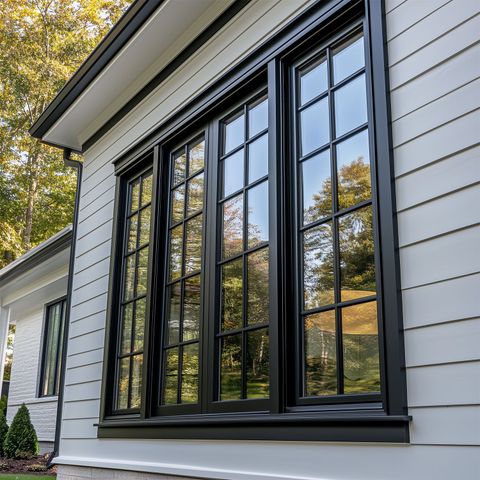
Replacement Windows Overview: Types, Materials, and Installation Details
Updated: September 11, 2026
Read More