How to Start Sourcing Products from China the Smart Way
Sourcing products from China has become a practical option for many small business owners, online sellers, and entrepreneurs looking for a wide range of goods at competitive prices.
China remains a major manufacturing hub with strong capacity across electronics, home goods, apparel, toys, and countless everyday items. This guide explains the basic process in clear, simple terms so anyone can understand the key steps, common platforms, and important points to consider.
The Broader Context of Sourcing Products from China
China has built extensive industrial clusters over decades. Cities and regions specialize in different product categories: Shenzhen for electronics, Yiwu for small commodities, Guangzhou for fashion and textiles, and other areas for furniture, tools, or packaging. This specialization often leads to efficient production and a large selection of suppliers.
Global trade data continues to show strong export activity from China in many consumer and industrial categories. Buyers around the world turn to Chinese factories and trading companies because of the scale of manufacturing and the variety available. At the same time, the process involves language differences, time-zone gaps, shipping logistics, and quality checks that require careful attention.
Why Sourcing Products from China Matters for Many Buyers
Access to a broad supplier base can help businesses offer more product choices or test new ideas without high initial investment in local production. Lower unit costs on many items can improve margins when the full landed cost (product price plus shipping, duties, and other fees) is calculated carefully. For online sellers and small brands, it often makes sense to start with smaller trial orders rather than large commitments.
The approach works best when buyers treat it as a process of research, verification, and gradual scaling rather than a quick transaction. Understanding minimum order quantities (MOQs), sample evaluation, and basic import rules in the destination country helps set realistic expectations.
Practical Steps for Sourcing Products from China
Begin by writing a clear product specification. Include materials, dimensions, colors, packaging needs, and any required certifications. Vague descriptions often lead to mismatched samples or higher costs later.
Next, search for potential suppliers on established platforms. Request quotes from several sources and compare them. Always order and review physical samples before placing a larger order. Negotiate terms such as price, payment method, lead time, and quality standards in writing.
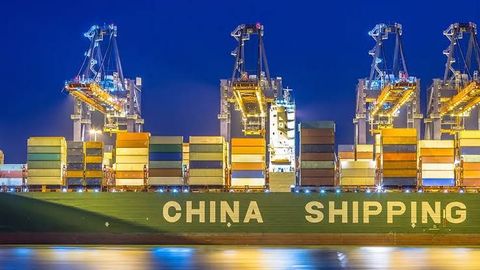
Arrange independent quality checks when possible, especially for first production runs. Finally, choose shipping methods that match your order size and timeline—air freight for speed on smaller shipments and sea freight for larger volumes—and factor in customs clearance and duties.
Popular Platforms for Finding Chinese Suppliers
Several online marketplaces serve international buyers. Alibaba is widely used because of its English interface, supplier verification badges, and Trade Assurance program that offers some payment protection. Made-in-China and Global Sources also list many manufacturers and focus on certain industrial or mid-to-higher quality categories.
1688.com is the domestic Chinese platform and often shows lower factory prices, but it operates mainly in Chinese and is designed for local buyers. Many overseas buyers work with a local agent or forwarder to place and manage orders there.
Here is a simple comparison of common options:
| Platform | Best For | Language | Typical Buyer Protection |
|---|---|---|---|
| Alibaba | Beginners and export-ready suppliers | English | Trade Assurance available |
| Made-in-China | Industrial and verified factories | English | Limited platform protection |
| Global Sources | Electronics and mid-to-higher quality | English | Verification focus |
| 1688.com | Lower domestic prices (often via agent) | Chinese | Limited for overseas buyers |
Important Considerations and Practical Tips
Communication clarity is essential. Use simple English, photos, diagrams, and written specifications. Confirm that the supplier is a factory or a trading company, as this affects pricing and flexibility. Request business licenses and, when possible, arrange a video factory tour.
Calculate the full landed cost rather than focusing only on unit price. Shipping, insurance, import duties, and inspection fees can add significantly to the total. Payment methods that offer some protection (such as platform escrow on first orders) reduce risk compared with direct bank transfers.
Quality control remains a frequent challenge. Samples can differ from bulk production, so clear agreements on inspection standards help. Regulations in your country may require product testing or labeling—research these early.
Working with a reliable sourcing agent can simplify language, logistics, and local coordination for those new to the process, though it adds a service fee.
Frequently Asked Questions About Sourcing Products from China
How do I find reliable suppliers when sourcing products from China?
Start with well-known platforms, filter for verified or higher-transaction suppliers, request samples, and verify business details. Cross-check information and communicate clearly before committing.
What is a typical minimum order quantity?
MOQs vary widely by product and supplier. Some accept smaller quantities for trial orders; others require hundreds or thousands of units. Negotiation is often possible, especially after a successful sample stage.
Do I need a sourcing agent?
Not always. Beginners often start on English-language platforms with buyer protections. An agent becomes more useful for domestic platforms, complex products, or larger ongoing orders.
How long does shipping usually take?
Air freight can take about one to two weeks for smaller shipments. Sea freight typically ranges from three to six weeks or longer depending on the route and port congestion. Always build in buffer time.
Conclusion
Sourcing products from China offers access to extensive manufacturing capacity and a wide product range when approached methodically. Clear specifications, careful supplier selection, sample evaluation, and full cost calculations form the foundation of a smoother process. By focusing on verification and realistic planning, buyers can reduce common risks and build more reliable supply arrangements over time. This overview provides general information only; specific decisions should consider individual circumstances and local import rules.

Related Post...

Home Security Overview: Essential Protection Steps to Take Before Trouble Strikes
Updated: September 02, 2026
Read More
How Sea Freight Powers Global Trade: A Simple Guide for Everyday Readers
Updated: October 20, 2026
Read More
Commercial Lighting Overview: Types, Applications, and Design Considerations
Updated: August 19, 2026
Read More