Explore Pharmaceutical Packaging Automation Trends You Can't Afford to Miss
Pharmaceutical packaging automation refers to the use of automated machinery, software, sensors, robotics, and inspection technologies.
These systems can support tasks such as filling, sealing, labeling, cartoning, inspection, serialization, case packing, and palletizing with limited manual intervention.
The development of pharmaceutical packaging automation has been closely connected with the growing complexity of pharmaceutical production. Modern facilities may handle different package formats, batch sizes, labeling requirements, traceability rules, and quality controls within the same production environment.
A pharmaceutical packaging equipment setup can include individual machines or an integrated pharmaceutical packaging automation system. Depending on production requirements, a facility may use a pharmaceutical packaging machine for a specific task or connect several machines into a pharmaceutical packaging production line.
How Packaging Automation Works
Automated pharmaceutical packaging generally combines mechanical equipment with control systems and inspection technologies. Products move through defined stages, while sensors and software help coordinate machine operations and identify process deviations.
A pharmaceutical packaging machinery configuration may include:
- Pharmaceutical blister packaging equipment for tablets and capsules
- Pharmaceutical bottle packaging automation for bottles and containers
- Pharmaceutical vial packaging equipment for vial-based products
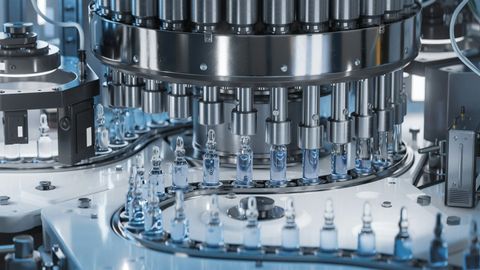
- Pharmaceutical ampoule packaging equipment for ampoule formats
- Pharmaceutical cartoning machine systems for secondary packaging
- Pharmaceutical labeling machine systems for container identification
- Pharmaceutical serialization equipment for product-level traceability
- Pharmaceutical vision inspection system technology for automated checks
These components can operate independently or as part of an interconnected pharmaceutical packaging system.
From Individual Machines to Integrated Lines
Earlier packaging environments often depended on separate machines and manual transfers between production stages. Modern facilities increasingly connect equipment through automated controls, conveyors, data systems, and robotics.
A pharmaceutical packaging line automation configuration can connect primary packaging, secondary packaging, inspection, labeling, serialization, case packing, and palletizing. A pharmaceutical packaging system integrator can coordinate these different components so that equipment communicates across the production workflow.
Importance
Pharmaceutical packaging affects manufacturers, healthcare organizations, distributors, pharmacists, and patients because packaging helps protect products and communicate essential information. Automation has become important because packaging environments must manage accuracy, consistency, traceability, documentation, and changing production requirements.
A pharmaceutical packaging automation manufacturer may develop equipment around specific container types, packaging formats, inspection requirements, or production capacities. Facilities may also work with a pharmaceutical packaging equipment manufacturer when establishing a complete packaging configuration.
Improving Process Consistency
Manual packaging can involve repetitive activities that require continuous attention. Automated equipment can perform predefined movements and checks according to programmed parameters, helping reduce variation between repeated production cycles.
For example, an automatic pharmaceutical packaging machine may coordinate container handling, sealing, labeling, or carton movement according to defined operating settings. Pharmaceutical packaging automation equipment can also collect process information for monitoring and review.
Supporting Traceability
Traceability has become an important part of pharmaceutical packaging. Serialization assigns unique identifiers to individual packages, while aggregation can connect individual units with cartons, cases, and pallets.
A pharmaceutical serialization system can work alongside a pharmaceutical track and trace system to record relevant packaging information. This can help organizations understand where packages were processed and how different packaging levels relate to each other.
Managing Quality Checks
Inspection technologies are another important part of automated packaging. A pharmaceutical vision inspection system can use cameras and image-processing technology to examine aspects such as labels, codes, package presence, position, or visible defects.
Automated pharmaceutical inspection equipment can perform predefined checks during production. These technologies do not replace broader quality systems, but they can provide automated inspection points within a packaging workflow.
Supporting Different Packaging Formats
Pharmaceutical products can require different packaging configurations. A facility handling bottles, blisters, vials, and ampoules may therefore require multiple machine types.
| Packaging format | Common automated equipment | Typical packaging activity |
|---|---|---|
| Blister | Pharmaceutical blister packaging machine | Forming, filling, sealing |
| Bottle | Pharmaceutical bottle packaging machine | Filling, capping, labeling |
| Vial | Pharmaceutical vial packaging machine | Handling, labeling, inspection |
| Ampoule | Ampoule packaging equipment | Handling and secondary packaging |
| Carton | Pharmaceutical cartoning machine | Product insertion and carton closing |
| Case | Case packing automation | Grouping and case packing |
| Pallet | Palletizing automation | Case arrangement and pallet handling |
Recent Updates
The current direction of pharmaceutical packaging automation is focused on greater connectivity, traceability, inspection capability, flexible production, and integration between equipment and digital systems.
One significant trend is the expansion of connected equipment. Advanced pharmaceutical packaging system configurations can collect information from individual machines and make operational data available through centralized monitoring platforms.
Greater Use of Robotics
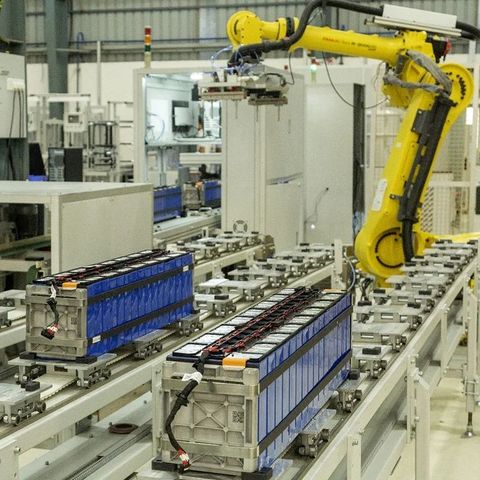
Pharmaceutical packaging robotics is becoming more relevant for repetitive material-handling activities. A pharmaceutical robotic packaging system may handle cartons, containers, cases, or other packaging components while working alongside conveyors and inspection equipment.
Robotics can also support pharmaceutical case packing automation and pharmaceutical palletizing automation. These applications are particularly relevant where packaging lines involve repeated movements or require coordinated handling.
More Integrated Production Lines
Turnkey pharmaceutical packaging system configurations increasingly connect multiple packaging stages within one coordinated production environment. A turnkey pharmaceutical packaging line may combine primary packaging, secondary packaging, inspection, labeling, serialization, and material handling.
This approach can reduce the number of disconnected process stages and simplify coordination between individual pieces of equipment. Pharmaceutical packaging automation integrators may therefore focus on communication between machines as well as the physical packaging process.
Increased Attention to GMP Requirements
GMP pharmaceutical packaging equipment is designed for environments where manufacturing and packaging processes must follow applicable Good Manufacturing Practice requirements. Equipment design may consider cleanability, controlled operation, documentation, material compatibility, and process monitoring.
Similarly, a GMP pharmaceutical packaging system may incorporate inspection, data collection, controlled access, and documentation features depending on the facility and applicable regulatory framework.
More Flexible Equipment
Pharmaceutical manufacturers increasingly need packaging systems capable of handling product and format changes. Flexible pharmaceutical packaging machinery can incorporate adjustable components, programmable controls, changeover procedures, and modular configurations.
Custom pharmaceutical packaging system designs can address specific packaging formats or production environments. The exact configuration depends on the product, container, throughput requirements, regulatory expectations, and facility layout.
Expanding Serialization and Inspection
Serialization remains closely connected with pharmaceutical packaging automation. Systems can capture unique package identifiers and connect packaging information with broader traceability databases.
At the same time, inspection technologies are becoming more closely integrated into production lines. Pharmaceutical labeling automation, vision inspection, code verification, and serialization can work together as connected process stages rather than isolated functions.
Tools and Resources
Understanding pharmaceutical packaging automation can be easier when several types of technical and regulatory resources are used together. These resources help readers understand terminology, equipment functions, packaging workflows, and compliance concepts.
Equipment Documentation
Manufacturers' technical documentation can explain machine capabilities, packaging formats, operating principles, dimensions, controls, and integration requirements. Documentation for a pharmaceutical packaging machine or pharmaceutical labeling automation system can be particularly useful when comparing different process configurations.
Regulatory Resources
Government and regulatory organizations publish information covering pharmaceutical manufacturing, packaging, labeling, traceability, and quality systems. These resources can help readers understand the regulatory environment surrounding automated pharmaceutical packaging.
Packaging Standards and Guidance
Packaging professionals may also consult recognized standards and industry guidance covering machine safety, packaging materials, serialization, inspection, data integrity, and quality management. The applicable requirements depend on the product, country, facility, and packaging process.
Process Planning Tools
Production teams can use process maps, equipment specifications, line-layout drawings, capacity calculations, and changeover assessments when planning an automated packaging environment. A pharmaceutical packaging system manufacturer or pharmaceutical packaging line manufacturer may use these inputs when developing a proposed configuration.
For larger projects, a pharmaceutical packaging automation integrator can coordinate equipment such as conveyors, robotic systems, inspection units, serialization platforms, and packaging machines. This can create a more connected workflow across the production line.
FAQs
What is pharmaceutical packaging automation?
Pharmaceutical packaging automation uses machinery, controls, sensors, software, robotics, and inspection technologies to automate packaging activities. It can cover processes such as filling, sealing, labeling, cartoning, serialization, case packing, and palletizing.
What equipment is used in pharmaceutical packaging automation?
Common equipment includes pharmaceutical blister packaging machines, pharmaceutical bottle packaging machines, vial and ampoule packaging equipment, cartoning machines, labeling machines, vision inspection systems, conveyors, serialization equipment, robotic systems, and palletizing equipment.
What is a pharmaceutical packaging automation system?
A pharmaceutical packaging automation system connects multiple packaging processes through automated machinery and control technologies. It may integrate primary packaging, secondary packaging, inspection, labeling, serialization, case packing, and palletizing.
Why is pharmaceutical serialization equipment important?
Pharmaceutical serialization equipment creates and manages unique identifiers for individual packages. When connected with a pharmaceutical serialization system and track and trace infrastructure, it can support package-level traceability throughout relevant parts of the supply chain.
What does a pharmaceutical packaging system integrator do?
A pharmaceutical packaging system integrator coordinates different machines, software, controls, conveyors, inspection technologies, and packaging processes so they can operate as a connected system. Integration requirements vary according to the facility and production process.
Conclusion
Pharmaceutical packaging automation is evolving from individual machines toward connected systems that combine packaging, inspection, serialization, robotics, and data management. Pharmaceutical packaging equipment increasingly supports flexible production formats, automated quality checks, traceability, and coordinated material handling. Current developments include greater equipment connectivity, expanded robotics, integrated serialization, flexible machinery, and stronger alignment with GMP requirements. The overall direction is toward more connected and digitally coordinated pharmaceutical packaging production environments.

Related Post...
Ultra Precision Machining Overview: Discover What Matters Before It’s Too Late
Updated: September 14, 2026
Read More
Aseptic Beverage Processing: Learn Vital Safety Factors You Can't Ignore
Updated: September 14, 2026
Read More
UHT Processing Systems: Insights Into Technologies Changing Processing Today
Updated: September 14, 2026
Read More