EV Charging Overview: Understand What Drivers Need to Know Before Traveling
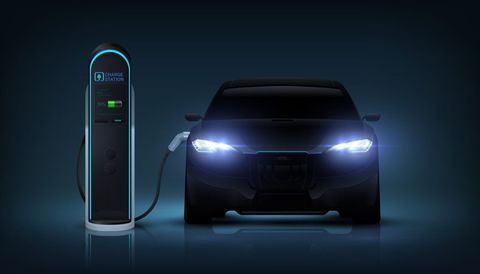
EV charging is the process of transferring electricity to an electric vehicle (EV) battery through equipment designed for home, workplace, public, or fleet use.
An EV charging station can range from a basic AC unit to a high-power DC fast charging station, while wider EV charging infrastructure includes electrical connections, chargers, software, networks, and supporting equipment. Understanding these elements helps drivers plan journeys, identify suitable charging points, and understand why charging times can differ from one location to another.
Context
What EV charging involves
An electric vehicle stores energy in a battery rather than a conventional fuel tank. When the battery needs energy, the vehicle is connected to an EV charger through a compatible connector. The charger and vehicle communicate to control the charging process, while electrical equipment manages power delivery and safety.
EV charging takes place in several settings, including homes, workplaces, public parking areas, highways, apartment buildings, hotels, and fleet depots. The charging equipment required depends on the vehicle, electrical supply, charging location, and intended charging speed.
A Level 2 EV charging station generally provides AC power at a higher rate than a basic household connection. A DC fast EV charger sends DC power to the vehicle battery through equipment designed to support higher charging rates.
Key terms drivers may encounter
An EV charging station is a location where an EV can connect to charging equipment. An electric vehicle charging station may contain one or several charging points, depending on its design.
EV charging software and EV charging network software help operators monitor equipment, manage access, record charging sessions, and review energy use. Smart EV charging systems can also adjust charging activity according to factors such as available electrical capacity, vehicle schedules, or energy management settings.
EV charging equipment can include chargers, cables, connectors, protective devices, meters, communication hardware, and electrical distribution components. An EV charger manufacturer or EV charging station manufacturer may produce some of these components, while an EV charging company may manage networks, installations, software, or other parts of the charging ecosystem.
Importance
Why charging matters during travel
For drivers, charging is part of trip planning. Unlike refueling a conventional vehicle, charging time can vary significantly based on battery state, charger output, vehicle limits, temperature, and other conditions.
Drivers also need to consider whether a charging station uses AC or DC charging and whether its connector is compatible with the vehicle. A station may have several charging points, but not every point will necessarily provide the same power level.
Factors that influence charging time
Charging speed is affected by both the vehicle and the charging equipment. The charger may have a high rated output, but the vehicle can limit the amount of power it accepts.
Other factors include battery temperature, battery state of charge, and the vehicle's charging curve. Many vehicles reduce charging power as the battery approaches a high state of charge, so charging from a low level to a moderate level can behave differently from charging almost to full.
| Charging type | Typical setting | General characteristic |
|---|---|---|
| Basic AC charging | Home or long parking | Lower power and longer charging periods |
| Level 2 AC charging | Home, workplace, public areas | Higher AC charging capability |
| DC fast charging | Highways and travel corridors | Faster energy transfer for shorter stops |
| High-power DC charging | Selected public locations | Designed for vehicles that support higher charging rates |
The table describes broad charging categories rather than a universal charging-time schedule. Actual results depend on the vehicle and the specific charger.
Charging for homes, businesses, and fleets
Commercial EV charging can serve workplaces, apartment buildings, hotels, retail locations, and other properties. A commercial EV charging station may require additional electrical capacity, dedicated metering, access controls, and load management.
Workplace EV charging station planning usually considers parking duration and employee schedules. Fleet EV charging requires a different approach because many vehicles may need energy at similar times, making an EV load management system useful for controlling total electrical demand.
Recent Updates
Expansion of charging infrastructure
From 2024 through 2026, EV charging development has increasingly focused on connected networks, charging interoperability, higher-power equipment, and better coordination between vehicles and electrical systems. In India, the Ministry of Power issued consolidated Guidelines for Installation and Operation of Electric Vehicle Charging Infrastructure-2024, covering private, semi-restricted, public, highway, and expressway charging locations. The guidelines also address electricity connections, charging infrastructure, and grid requirements.
Policy development has also expanded around public charging infrastructure under the PM E-DRIVE framework. Government materials show continued updates to the scheme and its charging-infrastructure provisions during 2025 and 2026.
Smarter charging systems
Another ongoing development is the use of software to coordinate charging. EV charging management software can provide information about charger status, energy consumption, user access, and charging sessions. For larger sites, smart charging and EV energy management systems can help coordinate charging with available electrical capacity.
Solar EV charging station projects are also being explored where local conditions make solar generation practical. A solar powered EV charging station can combine solar generation with charging equipment and, where designed for it, energy storage or grid electricity.
Growth of commercial applications
Charging is increasingly being planned as part of property and transport infrastructure rather than as an isolated piece of equipment. Commercial EV charger installation can involve electrical upgrades, site design, network connectivity, parking arrangements, and safety requirements.
Laws or Policies
India’s charging framework
In India, the Ministry of Power's 2024 charging-infrastructure guidelines apply across private parking, semi-restricted locations such as offices and housing societies, public locations, and highways or expressways. They are intended to support safe, reliable, and accessible charging infrastructure while helping electricity systems accommodate additional EV demand.
The framework also provides provisions related to electricity connections. Government information states that EV charging station owners may use low-tension connections for loads up to 150 kW under specified conditions, while residential EV owners may use existing connections or seek separate metered connections.
India's Electricity (Rights of Consumers) framework also includes timelines for electricity connections for EV charging stations, with different periods depending on location and whether network expansion is required. Exact requirements can depend on the applicable distribution licensee and local rules.
Rules can differ between national, state, municipal, electricity-distribution, building, and fire-safety authorities. For commercial EV charger installation or EV charging infrastructure development, the applicable local requirements should therefore be checked before work begins.
Tools and Resources
Route and charging planning tools
Drivers can use EV route planners and charging-network applications to identify charging locations along a journey. Useful information may include connector type, charger power, operating status, location, access information, and estimated charging duration.
Vehicle manufacturers may also provide route-planning tools that account for battery state and charging locations. Public charging networks commonly provide apps or web platforms that display station information and charging-session details.
Tools for businesses and fleets
Businesses planning EV charging for commercial properties can use electrical load calculators, site-assessment templates, and charging-management platforms. These tools can help estimate how many charging points may be needed and whether existing electrical capacity can support them.
For fleets, EV charging network software can help organize charging schedules and monitor multiple vehicles. EV infrastructure solutions may also combine chargers, communications, energy monitoring, and load management into one operational system.
An EV charging infrastructure company may be involved in planning, installation, hardware integration, or software coordination. An EV charger hardware manufacturer or EV charging equipment manufacturer may instead focus on physical charging components. The roles can overlap, so terminology should be checked carefully when comparing technical specifications.
FAQs
What is an EV charging station?
An EV charging station is a location containing equipment that transfers electrical energy to an electric vehicle. It may provide AC or DC charging and can contain one or multiple charging points.
What is the difference between Level 2 and DC fast charging?
A Level 2 EV charging station normally uses AC electricity and is commonly associated with homes, workplaces, and public parking. A DC fast charging station converts and delivers DC power through dedicated equipment, allowing compatible vehicles to charge more quickly.
What is EV charging management software?
EV charging management software is a digital system used to monitor and coordinate charging equipment. It can support functions such as charger status, user access, session records, energy monitoring, and load management.
What is commercial EV charging?
Commercial EV charging refers to charging infrastructure installed for workplaces, businesses, apartment buildings, hotels, fleets, and other non-residential or shared-use locations. A commercial EV charger may require electrical planning and site-specific installation work.
What should drivers check before a long EV trip?
Drivers should check the vehicle's connector compatibility, charging capability, planned charging locations, station availability, and expected travel conditions. It is also useful to understand that actual charging speed can vary between vehicles and charging points.
Conclusion
EV charging combines vehicles, electrical equipment, charging stations, software, and supporting infrastructure. For drivers, understanding charging types, connector compatibility, charging speed, and route planning can make travel planning clearer. Businesses and fleets may need additional systems such as load management, network software, and dedicated electrical infrastructure. In India, national charging guidelines and evolving electric-mobility programs continue to shape how charging infrastructure is developed and operated.

Related Post...
EV Charging Overview: Understand What Drivers Need to Know Before Traveling
Updated: September 02, 2026
Read More