Corporate Tax Compliance Guide to Rules, Risks, and Solutions
Corporate tax compliance involves meeting the tax reporting, payment, documentation, and filing requirements that apply to a business.
Organizations may use corporate tax compliance services, corporate tax preparation services, or specialized software to organize financial information and manage their responsibilities. The exact requirements depend on the country, business structure, industry, and applicable tax laws.
As businesses expand into new markets, managing tax obligations can become more complex. Understanding the basic rules, available tools, and common reporting challenges helps organizations develop a more structured approach to tax management.
Why Corporate Tax Compliance Matters
Maintaining Accurate Financial Records
Accurate records help businesses prepare tax returns, reconcile financial statements, and explain reported figures when questions arise. Organized documentation can also help finance teams identify inconsistencies before submitting required filings.
Businesses commonly maintain records covering revenue, operating expenses, payroll, asset purchases, deductions, and tax payments. Clear documentation supports internal reviews and helps authorized professionals evaluate whether reporting obligations have been addressed.
Managing Deadlines and Reporting Obligations
Tax authorities establish filing deadlines, payment schedules, and documentation requirements. Missing a deadline or submitting incomplete information may result in penalties, interest, additional reviews, or other consequences under applicable laws.
A compliance calendar can help teams monitor important dates and assign responsibilities. Businesses operating across several jurisdictions may need separate calendars because filing periods and reporting rules can differ between locations.
Key Corporate Tax Compliance Solutions
Corporate Tax Compliance Software
Corporate tax compliance software can help organize tax data, calculate selected tax figures, prepare reports, and track filing deadlines. Some platforms also support document management, workflow approvals, and integration with accounting systems.
When evaluating software, businesses should consider:
Reporting capabilities: Whether the platform supports relevant tax forms and reporting requirements.
Data integration: Whether it connects with existing accounting and enterprise systems.
Security controls: Whether access permissions and data protection features meet organizational requirements.
Scalability: Whether the system can accommodate additional entities or jurisdictions.
Updates and support: How the provider communicates regulatory changes and assists users.
Software can improve organization, but businesses still need appropriate review procedures and accurate source data.
Corporate Tax Consulting and Advisory Services
Corporate tax consulting firms and corporate tax advisory services can help organizations understand applicable regulations, review reporting processes, and assess complex transactions. Depending on their qualifications and scope of work, professionals may also assist with tax planning, documentation, and compliance reviews.
These services can be particularly relevant when a company restructures operations, enters a new market, or faces unfamiliar reporting requirements. Businesses should confirm a provider's experience, qualifications, jurisdictional knowledge, and responsibilities before engaging them.
International Corporate Tax Compliance
Managing Cross-Border Tax Requirements
International corporate tax compliance involves understanding the tax obligations that may arise when a business operates in multiple countries. Companies may need to consider local corporate income tax rules, withholding taxes, transfer pricing requirements, tax treaties, and reporting obligations.
Multinational tax compliance services may help coordinate documentation and reporting across different jurisdictions. However, the appropriate approach depends on the company's operations, legal structure, and the laws that apply to each entity.
Corporate Tax Reporting and Outsourcing
Corporate tax reporting software can help consolidate information, generate reports, and support review workflows. Corporate tax outsourcing services may also assist with preparing returns, organizing records, or coordinating filings when internal teams have limited capacity.
Solution | Main purpose | Important consideration |
|---|---|---|
Compliance software | Organize data and reporting | Verify local requirements |
Consulting firms | Support technical tax reviews | Confirm relevant expertise |
Reporting platforms | Prepare and consolidate reports | Check data accuracy |
Outsourcing services | Support filing and documentation | Define responsibilities clearly |
Businesses should establish clear review and approval procedures regardless of whether tax activities are managed internally, through software, or by external providers.
Common Challenges and Practical Steps
Identifying Potential Compliance Gaps
Common challenges include incomplete records, inconsistent financial data, changing regulations, missed deadlines, and differences between accounting and tax reporting. International businesses may also face difficulties coordinating information across subsidiaries and currencies.
Organizations can address these challenges through a structured process:
Maintain a centralized repository for relevant tax documents.
Assign responsibility for preparing, reviewing, and approving filings.
Reconcile financial records before preparing tax returns.
Review regulatory updates relevant to each operating location.
Document decisions, adjustments, and supporting calculations.
Evaluate compliance procedures periodically and update them when necessary.
These measures can improve visibility and accountability without assuming that every business requires the same tools or processes.
Frequently Asked Questions
What do corporate tax compliance services include?
Corporate tax compliance services may include tax return preparation, reporting support, documentation reviews, deadline tracking, and assistance with applicable filing requirements. The precise scope varies by provider and jurisdiction.
How does corporate tax compliance software help businesses?
Corporate tax compliance software can organize tax information, support calculations, maintain records, and monitor deadlines. Its capabilities depend on the platform, available integrations, and local regulatory coverage.
When should a business consider corporate tax consulting firms?
A business may consider corporate tax consulting firms when dealing with complex transactions, changing tax rules, international operations, or internal reporting challenges. Provider qualifications and the specific scope of work should be assessed carefully.
What is international corporate tax compliance?
International corporate tax compliance involves meeting relevant tax reporting and payment obligations across multiple jurisdictions. Requirements vary according to local laws, business activities, and applicable international tax arrangements.
Conclusion
Corporate tax compliance requires accurate records, timely reporting, and an understanding of applicable tax rules. Businesses can support these responsibilities through suitable software, qualified advisers, organized workflows, and regular reviews. The most appropriate approach depends on organizational complexity, available resources, and the jurisdictions in which the business operates.

Related Post...

Large-Cap Stocks: 7 Essential Insights for Smarter Investment Research
Updated: October 10, 2026
Read More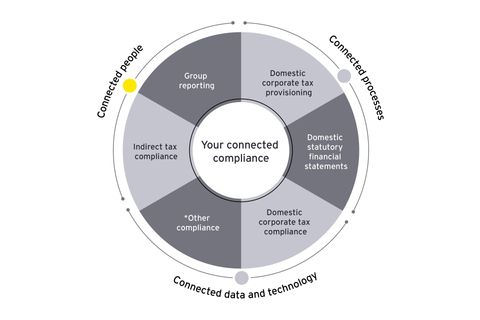
Cash Trading Accounts Explained for Smarter Stock Market Decisions
Updated: October 10, 2026
Read More