Auto Insurance for Affordable Vehicle Protection
Choosing affordable auto insurance is an important consideration for vehicle owners.
auto insurance
A suitable policy can help manage financial losses resulting from accidents, vehicle damage, theft, and certain third-party liabilities. Understanding available coverage options, premiums, and policy conditions makes it easier to compare plans.
Many drivers search for cheap car insurance quotes or the best auto insurance rates when purchasing or renewing a policy. However, the lowest premium does not always provide the most appropriate protection. Comparing coverage limits, deductibles, exclusions, and additional benefits is equally important when evaluating insurance options.
What Is Auto Insurance?
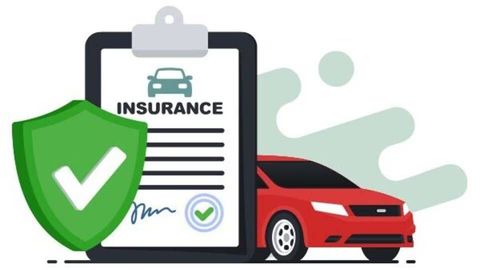
Auto insurance is an agreement between a vehicle owner and an insurance provider. In exchange for a premium, the insurer provides financial protection against specified risks according to the policy terms.
Depending on the coverage selected, an insurance policy may cover damage to another person's property, injuries, vehicle repairs, theft, or other covered incidents. The exact protection varies by policy and applicable regulations.
Why Is Vehicle Insurance Important?
Vehicle accidents can create unexpected expenses, including repair costs, medical bills, and legal liabilities. Insurance helps reduce the financial burden of covered events and provides support according to the agreed policy conditions.
In many countries, certain forms of vehicle insurance are legally required. Requirements differ by location, so drivers should understand local regulations before purchasing or operating a vehicle.
Importance of Choosing Affordable Auto Insurance
Finding affordable vehicle insurance involves balancing premium costs with suitable financial protection. A policy should reflect the vehicle's value, driving habits, location, and the owner's financial circumstances.
Selecting coverage only because it has the lowest price may leave important risks uninsured. Reviewing the complete policy helps drivers understand what protection they are actually receiving.
Financial Protection Against Unexpected Expenses
Auto insurance can help cover eligible expenses following an insured incident. Depending on the policy, this may include vehicle repairs, third-party property damage, or certain injury-related costs.
Without appropriate coverage, vehicle owners may need to manage significant expenses themselves. Insurance provides financial support for covered situations, although deductibles, exclusions, and coverage limits still apply.
Legal and Personal Responsibilities
Drivers have responsibilities toward passengers, pedestrians, and other road users. Third-party liability insurance helps address certain financial responsibilities when an insured driver causes covered damage or injury.
Understanding mandatory insurance requirements is particularly important when purchasing a vehicle, changing ownership, or renewing an existing policy.
Types of Auto Insurance Coverage Options
Different insurance policies offer different levels of protection. Understanding the main categories helps drivers compare auto insurance coverage options according to their requirements.
Third-Party Liability Coverage
Third-party liability coverage generally addresses specified losses or injuries caused to other people through an insured vehicle. It does not necessarily cover damage to the policyholder's own vehicle.
This coverage is often required by law, although minimum requirements differ between countries and regions.
Collision Coverage
Collision coverage may help pay for repairs to an insured vehicle following a covered collision with another vehicle or object. The policy deductible and coverage conditions determine how much financial assistance is available.
This option may be relevant for drivers who want additional protection against accident-related vehicle repair expenses.
Comprehensive Coverage
Comprehensive coverage generally addresses certain vehicle losses that do not result from a collision. Depending on the policy, covered events may include theft, fire, vandalism, falling objects, or weather-related damage.
The term comprehensive does not mean every possible loss is covered. Policyholders should review exclusions and specific conditions carefully.
Full Coverage Auto Insurance
Full coverage auto insurance commonly refers to a combination of liability, collision, and comprehensive protection. However, it is not a standardized insurance product, and the exact coverage differs between providers.
Drivers should examine the individual components instead of assuming that a full coverage policy protects against every possible expense.
Comparing Auto Insurance Costs and Plans
Auto insurance cost depends on several factors, including the driver's experience, vehicle type, location, claims history, and selected coverage. Insurance providers may assess these details differently when calculating premiums.
The following table explains common policy options.
| Coverage type | Main purpose | Important consideration |
|---|---|---|
| Third-party liability | Covers specified third-party losses | Own vehicle damage may not be covered |
| Collision | Covers eligible collision damage | Deductibles may apply |
| Comprehensive | Covers specified non-collision losses | Exclusions vary by policy |
| Full coverage | Combines multiple coverage types | Not a standardized coverage level |
Factors That Influence Insurance Premiums
Several factors can affect the price of an insurance policy:
Vehicle characteristics: Repair costs, vehicle value, model, and safety features may influence premiums.
Driving history: Previous accidents, claims, and traffic violations may affect risk assessments.
Location: Traffic conditions, theft patterns, and local claim costs can influence pricing.
Coverage limits: Higher protection limits may increase the premium.
Deductibles: Choosing a higher deductible may reduce premiums but increase personal expenses during a claim.
Policy history: Previous insurance coverage and claims information may influence eligibility and pricing.
How to Compare Car Insurance Quotes
Comparing multiple quotes can help identify differences in coverage and pricing. Drivers should provide consistent information when requesting quotes so that the results are easier to evaluate.
Consider these points before making a decision:
Compare the same coverage limits across providers.
Review deductibles and out-of-pocket responsibilities.
Check exclusions and restrictions.
Understand available roadside assistance or additional benefits.
Review the provider's claims process and customer support arrangements.
A lower quotation should not automatically be considered better if it provides substantially less protection.
Tips for Finding Low Cost Car Insurance
Finding low cost car insurance requires careful comparison rather than focusing exclusively on discounts. Drivers can explore different coverage combinations while maintaining protection appropriate to their circumstances.
Review Available Discounts
Some insurance providers offer discounts based on eligible circumstances, such as vehicle safety features, bundled policies, or driving records. Availability and eligibility requirements vary between insurers.
Drivers should confirm discount conditions and check whether the reduced premium affects any coverage benefits.
Select Appropriate Coverage Limits
Coverage limits should reflect potential financial responsibilities and personal requirements. Choosing limits that are too low may create additional financial exposure after a serious accident.
Reviewing vehicle value and personal circumstances can help determine which coverage options are appropriate.
Check Policy Renewal Conditions
Insurance premiums and policy conditions can change during renewal. Reviewing updated quotations before the renewal date allows drivers to compare available alternatives.
It is also important to avoid gaps in legally required insurance coverage when switching providers.
Frequently Asked Questions
How Can I Find Affordable Auto Insurance?
Compare quotations from multiple providers, review coverage limits, and check available discounts. Consider the complete policy rather than choosing solely based on its premium.
What Is the Difference Between Cheap and Full Coverage Auto Insurance?
Cheap auto insurance generally describes a lower-priced policy, which may offer limited protection. Full coverage usually combines liability, collision, and comprehensive coverage, although exact terms vary.
How Much Does Auto Insurance Cost?
Auto insurance costs depend on the driver, vehicle, location, coverage level, and insurance provider. Requesting personalized quotations is the most practical way to understand potential premiums.
Can I Change My Auto Insurance Provider?
In many locations, policyholders can switch providers according to their existing policy conditions. Before changing, check cancellation requirements, renewal dates, and the start date of replacement coverage.
Does Auto Insurance Cover Every Type of Vehicle Damage?
No. Insurance only covers losses included under the policy terms. Exclusions, deductibles, coverage limits, and claim conditions determine whether a particular incident qualifies.
Conclusion
Affordable auto insurance helps vehicle owners manage financial risks while maintaining appropriate protection. Comparing quotations, understanding coverage options, and reviewing policy conditions are important steps when selecting insurance.
A balanced decision considers both affordability and coverage suitability. Understanding premiums, deductibles, exclusions, and provider requirements can help drivers make informed vehicle insurance choices.

Related Post...