Industrial Fire Pump Systems: Types, Components & Applications
Industrial fire pump systems are essential components of many fire protection installations.
They provide the required water flow and pressure to fire sprinkler systems, hydrants, hose stations, standpipes, and other firefighting equipment when the available water supply cannot meet system demand.
A complete fire pump installation can include pumps, drivers, controllers, suction and discharge piping, valves, pressure-maintenance equipment, and monitoring devices. System configuration depends on the facility, water supply, hazard classification, required flow, and applicable fire protection standards.
What Are Industrial Fire Pump Systems?
An industrial fire pump system is designed to move water through a fire protection network at the pressure and flow required by the installation.
The pump itself does not normally create the entire fire protection system. Instead, it works as part of a larger arrangement that can include:
- Fire water storage
- Main fire pump
- Standby pump
- Jockey pump
- Pump controller
- Suction piping
- Discharge piping
- Valves
- Pressure gauges
- Flow measurement equipment
- Fire detection and monitoring interfaces
The system must be engineered according to the specific requirements of the facility.
Types of Industrial Fire Pumps
Electric Fire Pumps
Electric motor-driven pumps use an electric motor as the primary driver. They can provide reliable operation where an appropriate electrical supply is available.
Electrical infrastructure, emergency power arrangements, and controller configuration are important considerations for industrial installations.
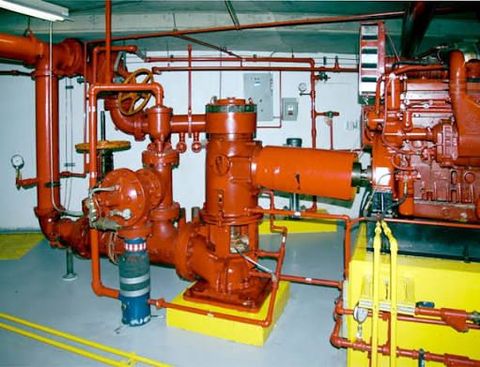
Diesel Fire Pumps
Diesel engine-driven pumps are used where an independent mechanical driver is required or where electrical reliability is a concern.
A diesel system typically includes the engine, fuel system, batteries, cooling system, exhaust arrangement, and dedicated controller.
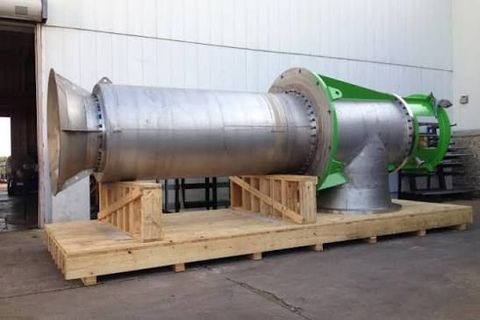
Vertical Turbine Fire Pumps
Vertical turbine pumps are commonly associated with installations where the water source is below the pump or where a deep water supply arrangement is required.
The pump configuration allows the pumping elements to extend into the water source.
Horizontal Split-Case Fire Pumps
Horizontal split-case pumps are widely used in larger fire protection installations. Their construction provides access to internal components for inspection and maintenance.
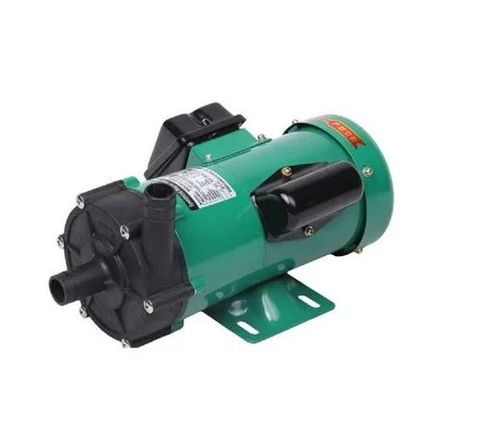
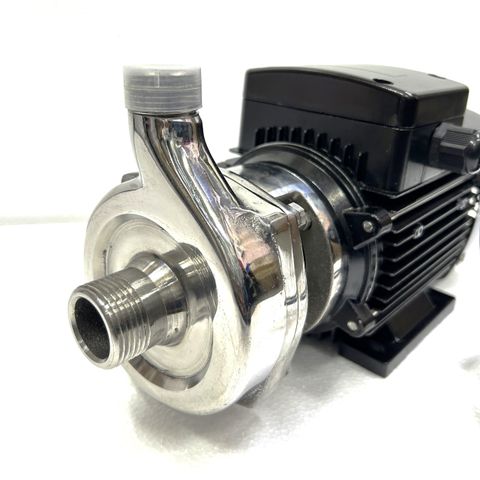
End-Suction Fire Pumps
End-suction pumps use a compact configuration in which the suction connection is located at the end of the pump casing. They can be used in suitable fire protection applications based on system requirements.
Main Components of a Fire Pump System
| Component | Function |
|---|---|
| Main fire pump | Provides required water flow and pressure |
| Driver | Supplies mechanical power to the pump |
| Jockey pump | Maintains system pressure during normal conditions |
| Controller | Controls and monitors pump operation |
| Suction piping | Delivers water to the pump |
| Discharge piping | Carries pressurized water into the fire network |
| Pressure gauges | Indicate suction and discharge pressure |
| Valves | Control and isolate sections of the system |
| Test connection | Supports pump performance testing |
| Fire water tank | Provides stored water where required |
The exact components vary according to the fire protection design and applicable requirements.
How Industrial Fire Pump Systems Work
Fire pump operation is generally connected to changes in pressure within the fire protection network.
1. Normal System Condition
The fire protection piping remains filled with water and maintained at the required pressure.
2. Pressure Drop
When a sprinkler, hydrant, hose station, or other firefighting outlet operates, system pressure can decrease.
3. Pump Activation
The fire pump controller detects the pressure condition and initiates the appropriate pump according to the system design.
4. Water Flow
The pump draws water from the designated supply and sends it through the fire protection piping.
5. Continued Operation
The pump continues operating according to the system's control philosophy until it is stopped under the appropriate operating procedure.
The exact starting and stopping sequence depends on the system design and applicable requirements.
Applications of Industrial Fire Pump Systems
Manufacturing Plants
Manufacturing facilities can use fire pump systems to support sprinkler networks, hydrants, hose stations, and other fire protection infrastructure.
Warehouses
Large storage facilities may require substantial water flow and pressure for fire protection systems because of their building size and storage arrangements.
Chemical Plants
Chemical-processing facilities may require specialized fire water systems based on the materials, processes, equipment, and hazards present.
Oil and Gas Facilities
Refineries, terminals, storage facilities, and processing plants can use dedicated fire water pump systems as part of their broader fire protection infrastructure.
Power Plants
Power generation facilities can incorporate fire pumps to support fire protection systems around buildings, electrical equipment, fuel systems, and other areas.
Fire Pump Controllers
Controllers provide electrical and operational control for fire pump systems. They can monitor pressure conditions and initiate pump operation when required.
Modern controllers may include:
- Pressure monitoring
- Automatic start functions
- Manual start controls
- Alarm indicators
- Pump status monitoring
- Engine monitoring for diesel systems
- Fault indication
- Event recording
Controller configuration should correspond with the pump driver and the applicable fire protection requirements.
Fire Pump Performance Parameters
Several parameters are important when evaluating a fire pump.
| Parameter | Importance |
|---|---|
| Flow rate | Defines water delivery capacity |
| Discharge pressure | Determines available system pressure |
| Suction pressure | Indicates incoming water conditions |
| Pump speed | Influences pump performance |
| Driver capacity | Provides required pump power |
| Shutoff pressure | Indicates pressure at zero flow |
| System demand | Determines required pump performance |
Pump selection should be based on the hydraulic requirements of the complete fire protection system.
How to Select Industrial Fire Pump Systems
System selection requires a detailed assessment of the facility and fire protection network.
Important considerations include:
- Required water flow
- Required pressure
- Water source
- Building size
- Fire protection equipment
- Hazard classification
- Elevation changes
- Suction conditions
- Electrical power availability
- Diesel fuel requirements
- Pump room configuration
- Applicable codes and standards
The fire pump should be selected and installed as part of a professionally engineered fire protection system.
Testing and Maintenance
Regular inspection, testing, and maintenance are essential for fire pump readiness.
Typical activities can include:
- Checking pump pressure
- Inspecting valves
- Testing controllers
- Checking diesel engine systems
- Inspecting batteries and fuel systems
- Monitoring vibration
- Checking water supply conditions
- Inspecting piping and connections
- Performing scheduled pump performance tests
Testing frequency and procedures should follow the applicable fire protection standards, local requirements, and equipment documentation.
Safety and Standards
Industrial fire pump systems are safety-critical equipment. Design and installation should follow applicable local regulations and recognized fire protection standards.
Depending on the jurisdiction and installation, relevant requirements may include standards covering fire pumps, sprinkler systems, electrical installations, diesel engines, testing, and inspection.
Qualified fire protection professionals should determine the appropriate design requirements for each facility.
Conclusion
Industrial fire pump systems provide the water flow and pressure needed to support fire protection networks in manufacturing plants, warehouses, chemical facilities, oil and gas installations, power plants, and other industrial environments.
Electric, diesel, vertical turbine, horizontal split-case, and end-suction configurations can be selected according to water supply and system requirements. Proper engineering should consider hydraulic demand, pump type, driver, controller, water source, installation conditions, applicable standards, and ongoing testing and maintenance.

Related Post...
Industrial Dosing Pumps: Types, Working, Applications & Selection
Updated: September 19, 2026
Read More
Boiler Circulation Pumps: Types, Working, Applications & Selection
Updated: September 19, 2026
Read More