Freight Forwarding Provider: Services, Benefits, and How to Choose the Right Partner
International trade depends on the smooth movement of goods between countries, suppliers, manufacturers, distributors, and customers.
Businesses involved in importing and exporting must manage several transportation and documentation requirements to ensure their shipments reach their destinations safely and on time. This is where a professional freight forwarding provider becomes an important logistics partner.
A freight forwarding provider coordinates the transportation of goods through different shipping methods, manages essential documentation, supports customs procedures, and helps businesses control logistics costs. Whether a company ships small commercial packages or large industrial consignments, an experienced freight forwarder can simplify the entire shipping process.
In this guide, we explore freight forwarding services, their benefits, transportation methods, and the factors businesses should consider when selecting a reliable logistics partner.
What Is a Freight Forwarding Provider?
A freight forwarding provider is a company that arranges and coordinates the transportation of goods from one location to another on behalf of businesses and individuals. It works with shipping lines, airlines, trucking companies, customs brokers, warehouses, and other logistics partners to organize cargo movement.
Freight forwarders generally do not own every transportation asset used to move shipments. Instead, they use their industry relationships and logistics expertise to arrange suitable transportation solutions based on cargo requirements, delivery schedules, and budgets.
Their responsibilities may include:
Organizing international and domestic shipments.
Selecting suitable transportation methods.
Booking cargo space with carriers.
Preparing shipping documentation.
Coordinating customs clearance.
Arranging cargo insurance.
Managing warehousing and distribution.
Tracking shipments throughout transportation.
Coordinating delivery to the final destination.
By managing these activities, a freight forwarding provider helps businesses reduce logistical complexity and focus on their core operations.
Key Services Offered by a Freight Forwarding Provider
Freight forwarding companies offer a range of services designed to support different shipping requirements. The exact services depend on the provider, destination, cargo type, and transportation method.
1. Air Freight Services
Air freight is a popular option for businesses that need to transport goods quickly across international destinations. It is particularly suitable for urgent shipments, valuable products, electronic equipment, pharmaceuticals, and time-sensitive commercial cargo.
A freight forwarding provider coordinates airline bookings, cargo handling, documentation, and airport procedures.
Benefits of air freight include:
Faster international transportation.
Suitable for urgent deliveries.
Improved scheduling for time-sensitive shipments.
Access to international airport networks.
Suitable handling options for certain high-value goods.
Although air freight can be more expensive than sea transportation, it may be the preferred option when delivery speed is a priority.
2. Sea Freight Services
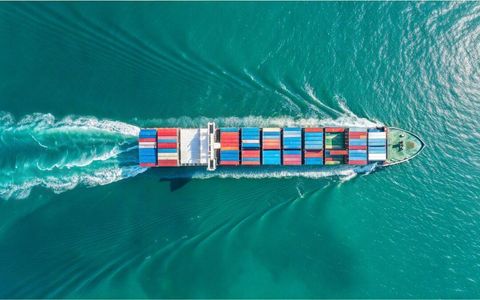
Sea freight is widely used for international transportation, particularly when businesses need to move large quantities of goods. It offers cost-effective options for heavy, bulky, and non-urgent shipments.
Freight forwarders typically arrange two major types of sea freight:
Full Container Load (FCL): A business books an entire shipping container for its cargo. This option is suitable for large shipments that can efficiently occupy a full container.
Less than Container Load (LCL): Multiple customers share container space. This is useful for businesses that do not have enough cargo to fill an entire container.
Sea freight is commonly used for machinery, furniture, construction materials, industrial products, textiles, and consumer goods.
3. Road Freight Services
Road freight is an essential part of domestic and cross-border logistics. Trucks transport goods between factories, warehouses, ports, airports, distribution centres, and customer locations.
A freight forwarding provider can coordinate:
Full truckload transportation.
Less-than-truckload shipments.
Container transportation.
Regional distribution.
Cross-border road transportation.
Door-to-door cargo delivery.
Road freight can also connect sea and air transportation networks, making it an important part of multimodal logistics.
4. Rail Freight Services
Rail freight provides an alternative for transporting cargo over long distances, particularly across regions with established railway infrastructure.
It is commonly used for bulk materials, industrial equipment, containers, and other commercial shipments.
Depending on the route and available infrastructure, rail freight can offer a balance between transportation cost, capacity, and delivery time.
5. Customs Clearance Support
Customs procedures are an important part of international shipping. Incorrect documentation, missing information, or failure to comply with import and export regulations can result in delays and additional charges.
A freight forwarding provider can coordinate customs clearance by helping businesses prepare and organize relevant documentation.
Common documents include:
Commercial invoices.
Packing lists.
Bills of lading.
Air waybills.
Certificates of origin.
Import and export declarations.
Product-specific permits and certificates, where required.
Customs requirements vary by country and product category. Businesses should confirm applicable regulations before shipping.
6. Warehousing and Distribution
Some freight forwarding providers offer warehousing and distribution services as part of their logistics solutions.
These services may include:
Short-term and long-term storage.
Inventory management.
Cargo consolidation.
Order preparation.
Packaging and labelling.
Distribution coordination.
Final-mile delivery.
Warehousing support can help businesses manage inventory more efficiently and coordinate shipments according to customer demand.
Benefits of Hiring a Professional Freight Forwarding Provider
Choosing an experienced freight forwarding partner can improve several aspects of a company's supply chain.
Reduced Logistics Complexity
International shipping involves multiple parties, procedures, and transportation stages. Managing each activity independently can require significant time and resources.
A freight forwarder coordinates the different stages of transportation, helping businesses manage shipments through a more organized process.
Cost Management
Freight forwarding providers work with multiple carriers and transportation partners. Their industry knowledge can help businesses compare shipping options and select suitable routes.
They may also identify opportunities to consolidate shipments, improve container utilization, and reduce unnecessary handling expenses.
The lowest initial freight quotation is not always the cheapest overall option. Businesses should consider additional charges, including documentation fees, customs-related costs, storage, handling, and destination charges.
Access to International Logistics Networks
An established freight forwarding provider may have relationships with carriers, customs brokers, warehouses, and logistics partners across several countries.
These connections can make it easier to coordinate shipments between international markets and manage transportation requirements at different destinations.
Better Shipment Visibility
Shipment tracking helps businesses understand where their cargo is and when it is expected to arrive.
Depending on the provider's technology and carrier integrations, customers may receive shipment updates, milestone notifications, estimated arrival information, and documentation support.
Better visibility helps businesses plan inventory, production schedules, and customer deliveries.
Support With Documentation and Compliance
International shipments require accurate paperwork and compliance with applicable regulations.
Freight forwarders can help organize shipping documents and coordinate with relevant customs professionals. This reduces the likelihood of avoidable administrative errors, although importers and exporters remain responsible for meeting their legal obligations.
Flexible Transportation Solutions
Different shipments require different transportation arrangements. A reliable freight forwarding provider can recommend air, sea, road, rail, or combined transportation depending on cargo characteristics, delivery deadlines, and budget.
How Does the Freight Forwarding Process Work?
Understanding the freight forwarding process helps businesses prepare shipments and communicate effectively with their logistics partners.
Step 1: Shipment Requirements
The process begins when a customer provides information about the shipment.
Important details include:
Pickup and delivery locations.
Cargo description.
Weight and dimensions.
Packaging requirements.
Preferred shipping method.
Delivery deadline.
Special handling instructions.
Step 2: Freight Quotation
The freight forwarder reviews the shipment details and prepares a quotation.
The quotation may include transportation charges, documentation fees, handling costs, customs-related services, and other applicable expenses.
Businesses should review the quotation carefully to understand what is included and excluded.
Step 3: Booking and Cargo Collection
After the quotation is accepted, the freight forwarder arranges the transportation booking.
Cargo is collected from the supplier, manufacturer, warehouse, or designated pickup location according to the agreed arrangements.
Step 4: Documentation and Customs Procedures
The required shipping documents are prepared and checked. Export customs procedures are coordinated where applicable.
Accurate cargo descriptions, declared values, and supporting documents are essential for smooth processing.
Step 5: Transportation
The cargo is transported through the selected shipping method. Depending on the route, this may involve one carrier or multiple transportation partners.
For multimodal shipments, the freight forwarder coordinates transfers between different transportation methods.
Step 6: Destination Customs Clearance
When the cargo reaches its destination country, import customs procedures must be completed.
The importer may need to provide additional documentation, pay applicable duties and taxes, or obtain product-specific approvals.
Step 7: Final Delivery
Once customs requirements are satisfied and the cargo is released, transportation is arranged to the final delivery location.
The freight forwarder may coordinate warehouse delivery, business premises delivery, or another agreed destination.
How to Choose the Right Freight Forwarding Provider
Selecting the right logistics partner is important for businesses that regularly import or export products.
Consider the following factors before making a decision.
Industry Experience
Choose a provider with experience handling shipments similar to yours. Different industries have different logistics requirements, including special packaging, temperature control, hazardous goods handling, or oversized cargo transportation.
Ask about the provider's experience with your cargo category and destination markets.
International Network
A strong international network can help coordinate shipments across multiple countries.
Check whether the provider has established carrier relationships, destination agents, customs support, and reliable delivery arrangements in the regions where your business operates.
Range of Services
A provider offering multiple logistics services can simplify supply chain management.
Look for services that match your requirements, such as:
Air and sea freight.
Road and rail transportation.
Customs clearance coordination.
Warehousing.
Cargo insurance arrangements.
Door-to-door shipping.
Shipment tracking.
Transparent Pricing
Request a detailed quotation rather than comparing only the headline freight rate.
Understand whether the price includes pickup, export handling, freight charges, documentation, destination handling, customs services, and final delivery.
Ask about possible additional costs and the circumstances in which they may apply.
Communication and Customer Support
Good communication is essential when managing international shipments.
A reliable provider should offer clear updates, respond to questions, explain documentation requirements, and communicate potential delays promptly.
Technology and Shipment Tracking
Modern logistics operations increasingly depend on digital systems.
Consider whether the provider offers shipment tracking, digital documentation, automated notifications, and convenient communication channels.
These features can improve transparency and reduce manual coordination.
Common Challenges in Freight Forwarding
International transportation can involve several challenges that affect delivery schedules and shipping costs.
Customs Delays
Missing documents, incorrect cargo declarations, regulatory inspections, or unpaid duties can delay customs clearance.
Businesses should prepare accurate documentation and understand the import requirements of the destination country.
Unexpected Shipping Costs
Additional charges may arise from port congestion, storage, demurrage, detention, inspections, or changes in transportation arrangements.
A detailed quotation and clear communication about potential additional fees can help businesses manage these risks.
Transportation Disruptions
Weather conditions, port congestion, labour disruptions, infrastructure problems, and geopolitical events can affect cargo movement.
Working with an experienced freight forwarding provider can help businesses evaluate alternative routes and transportation options.
Cargo Damage or Loss
Cargo may be exposed to damage during handling, loading, unloading, or transportation.
Appropriate packaging, accurate cargo declarations, suitable handling instructions, and insurance arrangements can help reduce financial exposure.
Freight Forwarding vs. Logistics Provider: What Is the Difference?
Freight forwarding and logistics management are closely related, but they are not exactly the same.
Freight Forwarding Provider | Logistics Provider |
|---|---|
Focuses on arranging cargo transportation | May manage broader supply chain operations |
Coordinates carriers and shipping routes | May manage transportation, storage, and distribution |
Handles shipping documentation coordination | May provide inventory and warehouse management |
Supports international cargo movement | May oversee domestic and international logistics |
Often specializes in freight coordination | May offer integrated logistics solutions |
Some companies provide both freight forwarding and broader logistics services, allowing customers to manage several supply chain activities through one provider.
Who Needs Freight Forwarding Services?
Freight forwarding services are useful for businesses involved in domestic and international trade.
Common customers include:
Importers and exporters.
Manufacturing companies.
E-commerce businesses.
Wholesale distributors.
Retail businesses.
Automotive companies.
Pharmaceutical businesses.
Construction companies.
Textile and garment manufacturers.
Industrial equipment suppliers.
Small businesses can also benefit from freight forwarding services, particularly when they do not have an internal logistics department.
Frequently Asked Questions About Freight Forwarding Providers
1. What does a freight forwarding provider do?
A freight forwarding provider arranges and coordinates cargo transportation. Its services may include carrier booking, shipping documentation, customs clearance coordination, cargo handling, warehousing, and final delivery arrangements.
2. What are the main types of freight forwarding services?
The main services include air freight, sea freight, road freight, rail freight, customs clearance support, warehousing, cargo consolidation, and door-to-door transportation.
3. Is a freight forwarder responsible for customs clearance?
A freight forwarder may coordinate customs clearance or work with licensed customs brokers. The exact responsibilities depend on the service agreement and the regulations of the countries involved.
4. How much do freight forwarding services cost?
Costs depend on cargo weight, dimensions, destination, transportation method, shipping route, urgency, handling requirements, and additional services. Businesses should request a detailed quotation based on their shipment specifications.
5. What documents are required for international freight forwarding?
Common documents include commercial invoices, packing lists, bills of lading, air waybills, certificates of origin, and customs declarations. Additional documents may be required depending on the product and destination country.
6. How can I track an international shipment?
Many freight forwarding providers offer shipment tracking through online systems, carrier tracking services, email updates, or customer support teams. Tracking availability depends on the transportation method and service provider.
7. How do I select the best freight forwarding provider?
Compare industry experience, international network, service coverage, pricing transparency, communication, shipment tracking, and customer support. Choose a provider that understands your cargo requirements and destination markets.
Conclusion
A reliable freight forwarding provider plays an important role in helping businesses manage domestic and international cargo transportation. From arranging air and sea freight to coordinating customs procedures, warehousing, and final delivery, freight forwarders simplify the movement of goods across supply chains.
Choosing the right provider can help businesses improve shipment visibility, manage transportation costs, reduce administrative complexity, and maintain more efficient logistics operations.

Related Post...

Tech-Enabled Modeling Services: Benefits, Applications, and Industry Solutions
Updated: November 16, 2026
Read More
Ceramic Balls: Types, Properties, Manufacturing, and Industrial Applications
Updated: November 14, 2026
Read More
Top Cell Biology Lab Equipment Tips for Accurate Research and Analysis
Updated: October 28, 2026
Read More